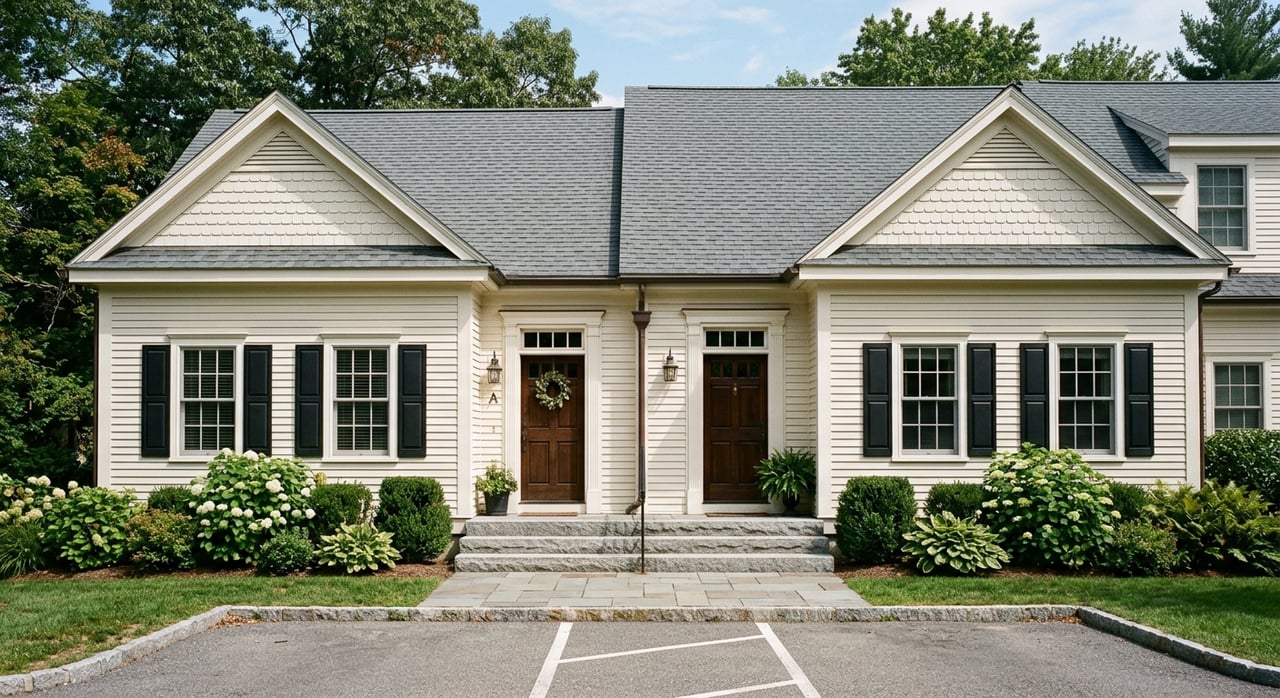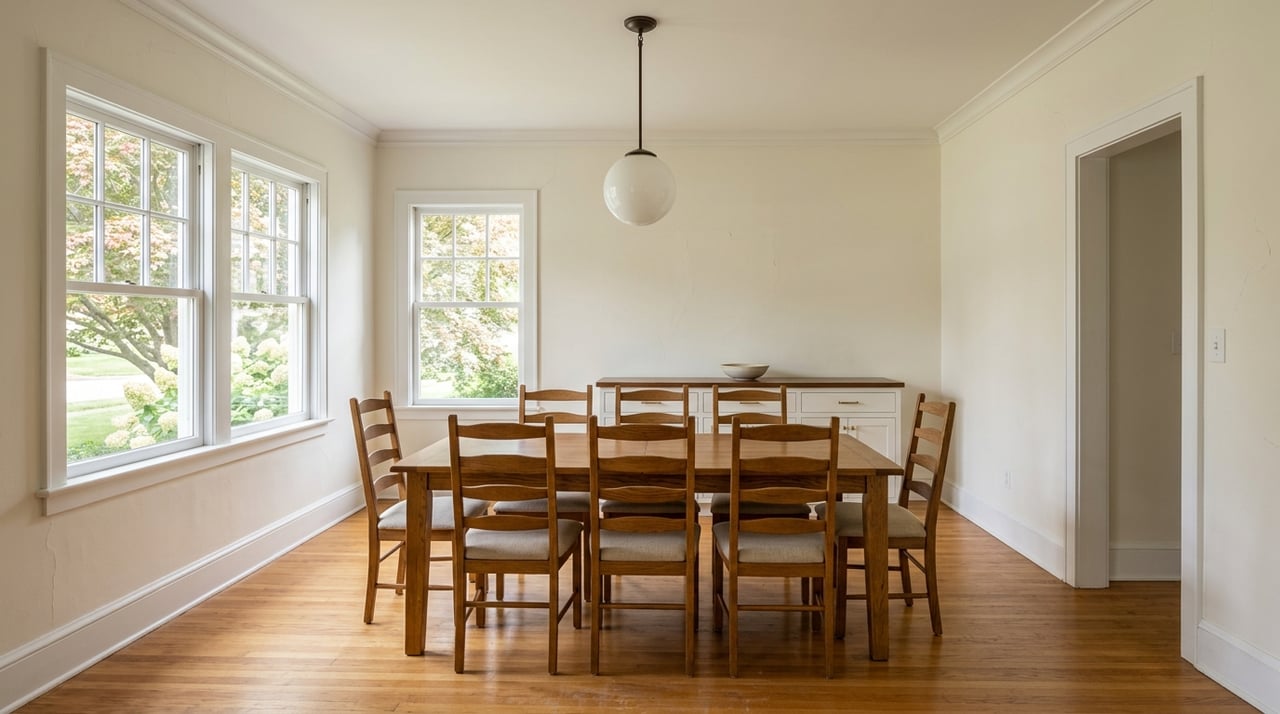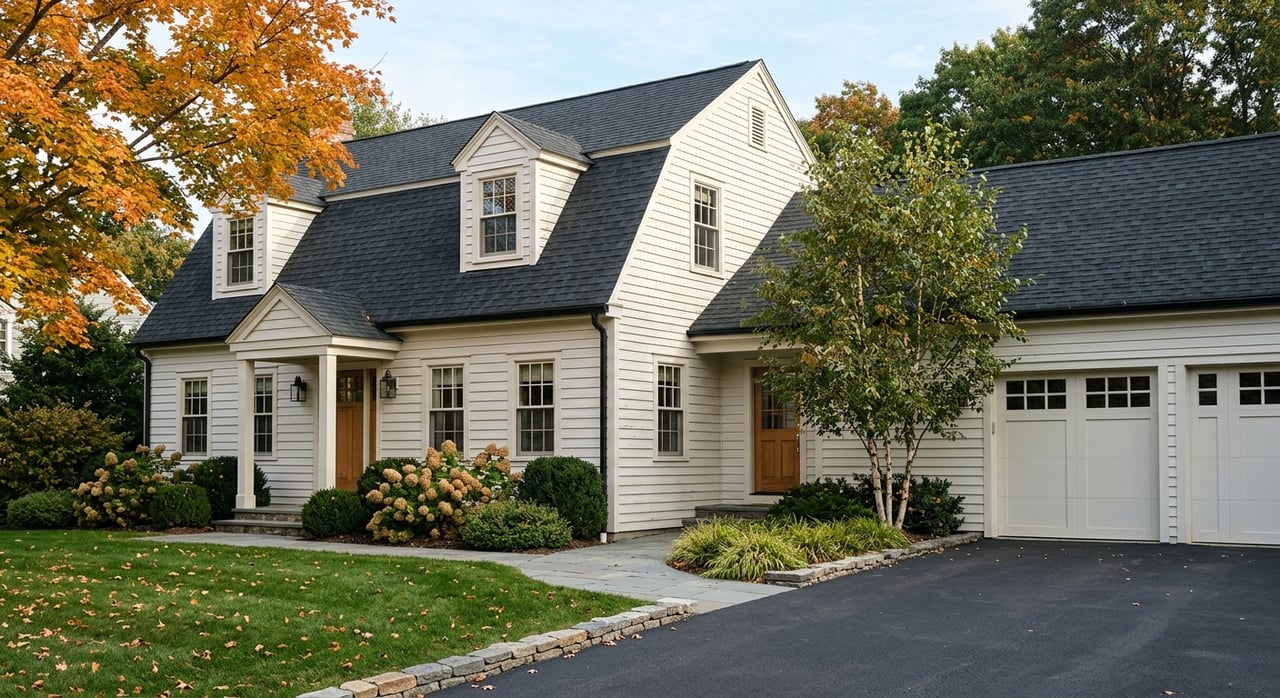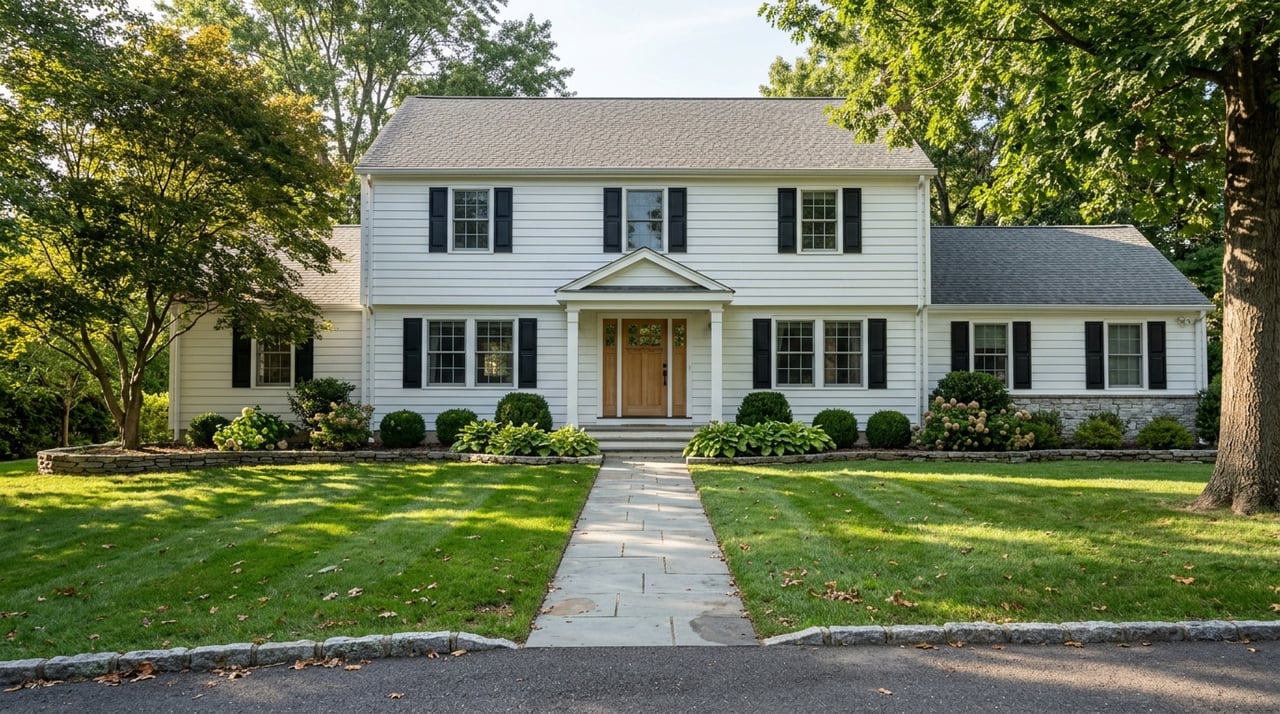
Wondering when you should start getting your Hartford County home ready to sell? If you wait until a few weeks before listing, you may end up making rushed decisions about repairs, paperwork, pricing, and presentation. A smarter plan is to start 6 to 12 months early so you can reduce stress, protect your timeline, and make better choices before your home hits the market. Let’s dive in.
Why Early Prep Matters in Hartford County
Hartford County is still an active resale market, but that does not mean every home will sell quickly without preparation. In March 2026, the county median sale price was $365,000, and the median time on market was 34 days. Prices were up 7.4% year over year, with 551 homes sold during the month.
That said, Hartford County is not one single market. Town-level prices can vary a lot, which affects how you should price your home and how much prep work makes sense before listing. In March 2026, the median sale price was $324,000 in Hartford, $470,000 in West Hartford, and $301,000 in Manchester.
This is why early planning matters. You want to compare your home to similar nearby properties, not just use a countywide average and hope for the best.
Start With Issues Buyers Will Notice
A good first step is to identify the problems buyers are likely to uncover anyway. A pre-sale inspection is optional, but it can help you spot concerns with the roof, structure, plumbing, electrical, HVAC, insulation, ventilation, or fireplaces before a buyer does.
That does not mean you need to fix everything. It means you should understand what exists, estimate the cost of any major repair, and decide whether it makes more sense to repair the issue, offer a credit, or adjust your asking price.
If you are only casually thinking about selling, this stage can save you from surprises later. It gives you time to plan instead of reacting under pressure once showings begin.
What to review first
- Roof condition
- Foundation and structural concerns
- Plumbing leaks or outdated components
- Electrical issues
- Heating and cooling performance
- Insulation and ventilation
- Fireplace condition, if applicable
Focus Next on Low-Cost Improvements
Once you understand the bigger issues, move to the presentation work that can improve how buyers respond to your home. Staging does not always mean renting furniture. In many cases, it starts with cleaning, decluttering, repairing small cosmetic issues, depersonalizing, and simplifying each room.
This part matters because buyers often decide how they feel about a home very quickly. According to NAR’s 2025 staging findings, 29% of sellers’ agents said staging increased the dollar value offered by 1% to 10%, and 49% said it reduced time on market.
Buyers also respond strongly to spaces that feel easy to understand. NAR reported that 83% of buyers’ agents said staging makes it easier for buyers to picture the property as their future home.
Smart prep in the 3 to 6 month window
- Remove excess furniture to make rooms feel more open
- Pack away highly personal decor and collections
- Deep clean floors, walls, windows, and kitchens
- Touch up paint where needed
- Repair minor visual flaws like loose hardware or damaged trim
- Organize closets, storage areas, and garage spaces
Get Your Documents Ready Early
One of the easiest ways to reduce last-minute stress is to organize your paperwork well before listing day. Buyers often feel more confident when a seller can clearly show what has been maintained, updated, or replaced.
Start gathering warranties, guarantees, appliance manuals, repair invoices, permit records, and any other documents tied to items that will stay with the property. If you have completed major work over the years, this is the time to put those records in one place.
This step is especially helpful in Connecticut because some disclosure forms must be provided on a specific timeline. If you wait too long, paperwork can become a scramble.
Know Connecticut Disclosure Requirements
If you are selling residential real property of four dwelling units or fewer in Connecticut, including condominiums and cooperatives, you generally must provide the state Residential Property Condition Report to a prospective purchaser before the buyer signs a binder, contract, option, or lease with a purchase option.
This rule took effect with the current state-issued form on July 1, 2025. If the report is not furnished, the seller can be credited $500 at closing. The form also states that your real estate licensee cannot complete it on your behalf, which is another reason to review it early.
If your home may be in an area affected by Connecticut’s crumbling foundation issue, it is worth checking early whether a separate Residential Foundation Condition Report could apply in your transfer situation. This issue is tied to certain towns identified by CRCOG and certain transfer types, so it is better to confirm early than guess late.
If your home was built before 1978, federal law requires disclosure of known lead-based paint or lead-based paint hazards before the sale of most pre-1978 housing. Connecticut’s Department of Public Health notes that lead paint was banned for use in home paint in 1978, so this is a key item to organize if your property is older.
Connecticut prep items to check early
- Residential Property Condition Report requirements
- Any records tied to prior repairs or upgrades
- Permit history for completed work
- Lead-related documents for pre-1978 homes
- Foundation-related records if your town may be affected
Check Safety Items Before Listing
Safety details are easy to overlook, but they matter. Connecticut guidance says smoke alarms must be listed in accordance with UL 217, and carbon monoxide alarms must be listed in accordance with UL 2034.
If you have done updates over the years, this is also a good time to confirm that any work affecting structure, electrical, plumbing, or mechanical systems was handled properly. Connecticut’s State Building Code applies to most buildings undergoing alterations or additions, and sellers should check with the local building official before doing work in those areas.
This does not mean you should start major projects right before selling. It means you should avoid making assumptions about what is compliant and what still needs attention.
Make Your Home Photo-Ready
Online presentation can shape whether buyers schedule a showing at all. NAR reports that 81% of buyers consider listing photos the most important online feature, and research also shows that photos and floor plans are among the most useful website features during the home search.
That means your home should be fully cleaned, decluttered, and ready before photos, floor plans, or 3D media are created. If you photograph too early, before the home is truly ready, you may weaken your first impression.
For many Hartford County sellers, this is where timing and coordination matter most. A clean photo-to-list process can help your home hit the market looking polished instead of rushed.
What buyers notice in listing media
- Bright, clean main living spaces
- Clear room layouts
- Minimal clutter
- Well-maintained finishes
- Outdoor spaces that feel usable and tidy
Choose an Agent With a Local Strategy
Most sellers still use an agent, and the right questions matter more than ever. In NAR’s 2025 seller data, 91% of sellers used a real estate agent, and sellers said they value help with pricing, marketing, and selling within a specific timeframe.
In Hartford County, local strategy is especially important because pricing and buyer expectations can differ sharply from town to town. An agent should be able to explain which local comps matter, how they would position your property, and what work is worth doing before launch.
You should also ask practical questions about marketing and execution. That includes whether professional photography, floor plans, drone media, or 3D tours are included, and how fast the timeline is from media creation to going live.
For sellers who want full-service support without inflated costs, that conversation should also include fee structure and what services are actually included. Clear numbers and clear deliverables make it easier to compare options.
Questions to ask before you hire
- Which nearby towns or neighborhoods are you using for comps?
- How would you price my home in today’s market?
- What repairs should I handle now versus credit later?
- Do you include professional photography, floor plans, drone shots, or 3D tours?
- How quickly can you move from photos to live listing?
- How do you handle showings, feedback, negotiation, and closing support?
Decide What Is Worth Spending Money On
Not every project produces the same return. In a market with meaningful price differences between towns and home types, the best prep plan is usually focused, not excessive.
Start with items that improve condition, reduce buyer concern, or strengthen presentation. Then weigh each possible expense against your likely price point, expected buyer pool, and timeline.
For example, fixing a roof leak or documenting a major repair is often more useful than over-improving a room for your own taste. Clean presentation, good documentation, and strong marketing usually do more for a sale than a rushed list of expensive upgrades.
A Simple 6 to 12 Month Timeline
If you want to keep things manageable, use this general sequence.
6 to 12 months before listing
- Review market timing and local comps
- Consider a pre-sale inspection
- Identify major issues and estimated repair costs
- Start gathering repair records, manuals, warranties, and permits
- Review Connecticut disclosure items that may apply
3 to 6 months before listing
- Complete important repairs if you choose to do them
- Declutter and depersonalize the home
- Clean up storage spaces and curb appeal
- Check smoke and carbon monoxide alarms
- Confirm any planned work with the local building official if needed
1 to 2 months before listing
- Finish deep cleaning and cosmetic touch-ups
- Finalize documents and disclosures
- Prepare the home for professional photos, floor plans, and 3D media
- Review pricing strategy based on current local data
- Set the listing timeline
Selling a home in Hartford County is easier when you give yourself time to make smart decisions. Early prep helps you reduce surprises, handle Connecticut paperwork with less stress, and launch with stronger pricing and presentation. If you want full-service marketing, professional visuals, and clear savings at a 1% listing fee, Kevin Rockoff can help you build a practical plan before listing day.
FAQs
What is the Hartford County housing market like for sellers?
- In March 2026, Hartford County had a median sale price of $365,000, a median time on market of 34 days, and 551 homes sold, but town-level pricing varied significantly.
When should Hartford County homeowners start preparing to sell?
- A good window is 6 to 12 months before listing so you have time to address repairs, organize records, review disclosures, and get the home ready for photos and showings.
Do Connecticut sellers need a property condition disclosure form?
- Yes, for many residential sales of four dwelling units or fewer, including condos and cooperatives, sellers must provide the Connecticut Residential Property Condition Report before the buyer signs certain purchase documents.
What should Hartford County sellers fix before listing a home?
- Start with issues buyers are likely to find anyway, such as roof, plumbing, electrical, HVAC, structural, insulation, ventilation, or fireplace concerns, then move to lower-cost presentation improvements.
Why do listing photos matter when selling a home in Hartford County?
- NAR reports that 81% of buyers consider listing photos the most important online feature, so cleaning, decluttering, and preparing the home before photography can improve your first impression.
What should sellers ask a Hartford County listing agent?
- Ask how they choose local comps, what pricing strategy they recommend, what repairs they would suggest, what marketing media they include, and how they handle the timeline from prep through closing.