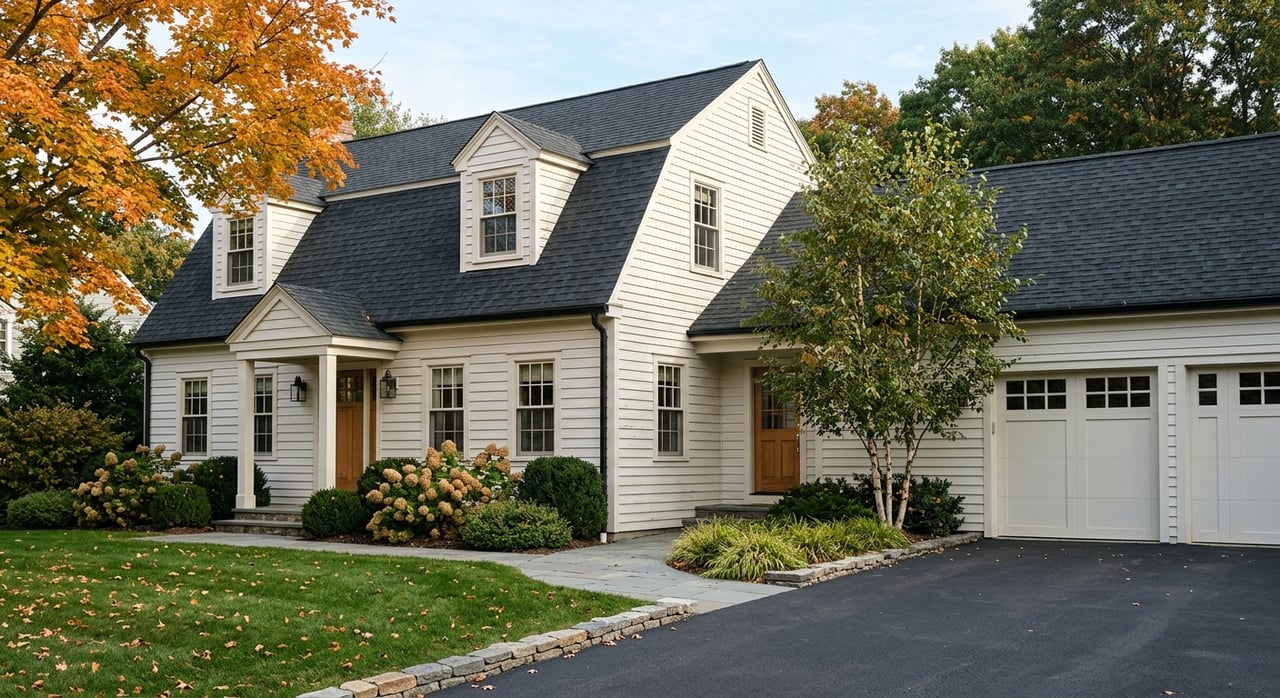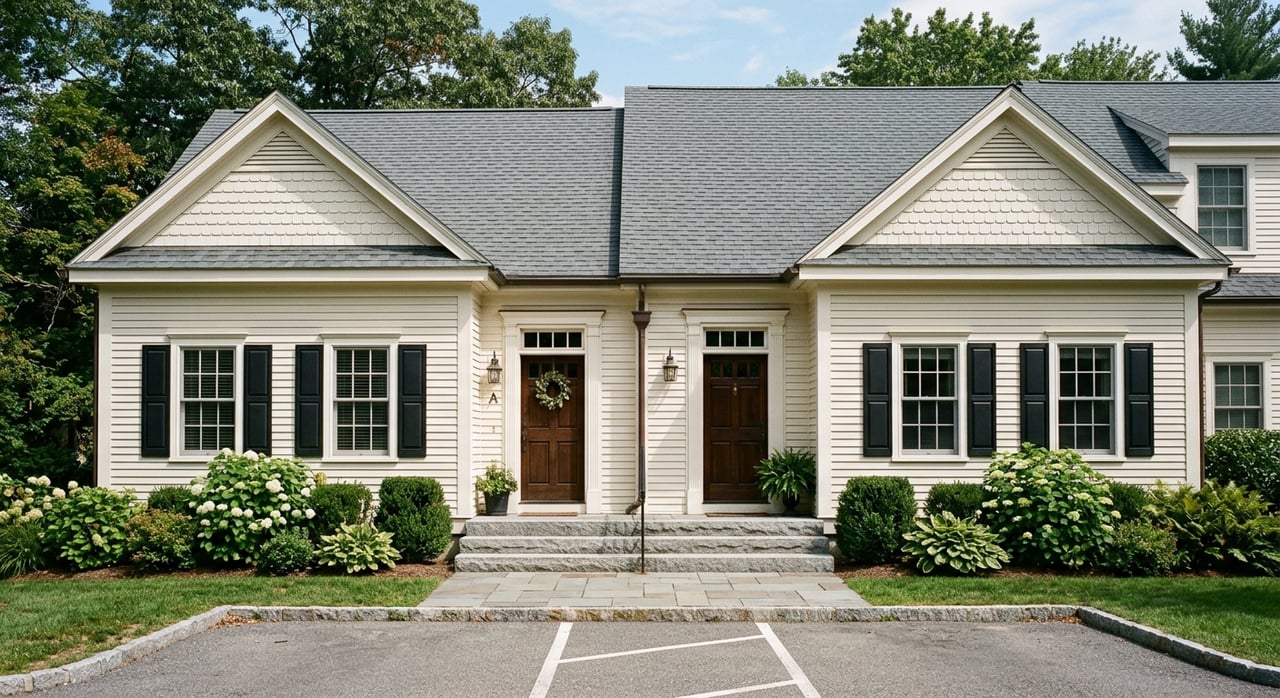
If you are getting ready to sell a condo or townhome in Hartford County, you already know the process is not quite the same as listing a single-family house. Buyers are not just evaluating your unit. They are also evaluating the association, the fees, the rules, and the documents behind the community. The good news is that when you prepare those details early, your listing can feel clearer, stronger, and easier to trust. Let’s dive in.
Why condo and townhome listings work differently
In Hartford County, attached-home sales are often more document-driven than single-family sales. A condo or townhome may look simple on the surface, but the real story includes the declaration, bylaws, rules, common areas, and owner obligations.
That matters because the home style alone does not decide how the property is governed. In Connecticut, the governing documents control what is private, what is shared, and what the owner is responsible for. When your listing explains those details clearly, buyers can compare your home with confidence.
Start with the right condo documents
One of the biggest reasons condo and townhome sales get delayed is missing paperwork. If you want a smoother listing and closing process, it helps to gather the key association documents before your home goes live.
At a minimum, sellers should be ready to provide:
- The declaration or master deed and any amendments
- The bylaws
- The current rules and regulations
- The current common charge amount
- Information on unpaid common charges or special assessments
- Other fees payable by the owner
- The current operating budget
- Reserve amounts
- Approved capital expenditures over $1,000 for the current and next fiscal year
- Insurance coverage information
- Pending lawsuits, administrative proceedings, or unsatisfied judgments involving the association
- Delinquency and foreclosure information
- Any restrictions on occupancy, leasing, or sale price
- Any right of first refusal
- Recent meeting minutes
- Records of architectural or design approvals, if they apply to your unit
In Connecticut, many of these items are included in the resale certificate. The association must provide that certificate within 10 business days after the request and payment, so it is smart to request it early if you plan to sell in the next few months.
Why early prep helps Hartford County sellers
A buyer's attorney or lender may ask detailed questions about reserves, assessments, insurance, or prior approvals. If you wait until you are already under contract to chase down those answers, your timeline can tighten fast.
Early prep gives you more control. It helps your agent price and market the home accurately, answer buyer questions quickly, and avoid avoidable surprises once offers start coming in.
Explain common charges in plain language
Many buyers will ask about the monthly common charge before they ask about finishes or upgrades. That is why your listing should explain the fees in a way that feels direct and easy to understand.
Instead of naming the amount alone, your listing should also clarify what the charge covers. For example, buyers want to know whether the fee includes exterior maintenance, snow removal, grounds care, certain utilities, or any insurance components handled by the association.
If a special assessment is pending, that should be stated clearly as well. Connecticut resale disclosures specifically focus on assessments, fees, reserves, operating budgets, and capital spending, so these details are not minor side notes. They are central to the sale.
Clarify what is private, assigned, and shared
Parking, storage, patios, decks, and amenities can create confusion if they are described too loosely. A strong Hartford County condo or townhome listing should make it easy for buyers to understand exactly what comes with the unit.
That means being clear about whether a feature is:
- Deeded to the unit
- A limited common element for the unit's exclusive use
- Assigned by the association
- Shared as a general common area
This matters because Connecticut common interest communities can include limited common elements that look private in practice but are still governed by association rules. Buyers appreciate accuracy here, and accurate listings tend to inspire more confidence.
Surface restrictions early
Buyers do not like finding important rules at the last minute. If the community has leasing restrictions, occupancy rules, pet rules, age restrictions, or a right of first refusal, those details should come out early in the process.
That does not mean your listing needs to feel negative or overloaded with legal language. It just means the listing should set realistic expectations, so the right buyers move forward and the wrong buyers do not waste their time or yours.
Highlight the lifestyle honestly
Condo and townhome living has real appeal in Hartford County. Many buyers like the lower exterior maintenance, shared amenities, and more predictable common-area upkeep that can come with this type of property.
The key is to market those benefits in a factual way. If the community offers features like a pool, clubhouse, fitness room, deck, patio, or storage area, your listing should describe them according to the governing documents rather than broad assumptions.
That kind of accuracy builds trust. It also helps your unit stand out for the right reasons, especially when buyers are comparing it with both other condos and single-family homes.
Be ready for insurance questions
Association insurance is another area that can affect buyer comfort. In Connecticut, resale disclosures must include information about the association's insurance coverage, and in some buildings the policy may also cover standard fixtures, improvements, or betterments.
For sellers, this means you should be ready to explain what the association insures and what an owner may still need to insure personally. Even a simple, well-documented answer can help buyers feel that the property is being presented professionally.
Do not forget the property condition report
Connecticut sellers also need to pay attention to the Residential Property Condition Report. The current form applies to residential property of four dwelling units or less, including condominiums and cooperatives.
The form asks whether the property is in a common interest community and whether it is subject to community or association dues or fees. If the report is not furnished, the seller can owe a $500 closing credit, so this is an item worth handling carefully.
What buyers in Hartford County usually ask
If you want your listing to feel polished, prepare for the questions buyers ask most often. In many condo and townhome sales, the same issues come up again and again.
Be ready to answer questions like:
- How much are the common charges?
- What do the fees cover?
- Is there a pending special assessment?
- How much is in reserve?
- Are there association delinquencies or foreclosures?
- Can the unit be rented?
- Are pets allowed?
- What parking or storage comes with the unit?
- Were past updates approved if approval was required?
When those answers are organized from the start, your listing feels more complete and your transaction often moves more smoothly.
Good marketing still matters
Even the most document-heavy condo sale still depends on presentation. Clear photos, strong copy, and an accurate description of the unit and community can help buyers connect with the home before they ever review the paperwork.
That is especially important for attached homes, where buyers are often weighing lifestyle, convenience, and monthly costs all at once. A listing that combines great visuals with clear association details gives you a better chance to attract serious, informed buyers.
A practical listing strategy for Hartford County condos
If you are preparing to sell, the best approach is simple. Gather the association file early, review the fees and rules carefully, and make sure the listing explains the home in a way that is accurate and easy to understand.
That kind of preparation helps reduce friction. It can also make your home easier to show, easier to evaluate, and easier to move from listing to closing without last-minute document issues.
When you want a full-service sale with professional marketing and straightforward pricing, Kevin Rockoff can help you list your Hartford County condo or townhome with clarity, speed, and a 1% listing fee.
FAQs
What documents do you need to sell a condo in Hartford County?
- You should be ready with the declaration, bylaws, rules and regulations, resale certificate, current budget, reserve information, meeting minutes, insurance details, and any records tied to assessments or unit approvals.
What should a Hartford County condo listing say about HOA fees?
- It should clearly state the current common charge, what it covers, whether any special assessment is pending, and any other owner fees that may apply.
What buyer questions matter most when selling a townhome in Connecticut?
- Buyers often focus on common charges, reserves, assessments, insurance, pet rules, leasing restrictions, parking, storage, and whether past alterations had required approval.
What is the Connecticut resale certificate for a condo sale?
- It is the disclosure package that includes key association information such as fees, assessments, reserves, insurance, legal issues, restrictions, and other items that can affect the sale.
Does a Hartford County condo seller need a property condition report?
- Yes, Connecticut's Residential Property Condition Report applies to many residential sales of four dwelling units or less, including condominiums, and not providing it can lead to a $500 closing credit.