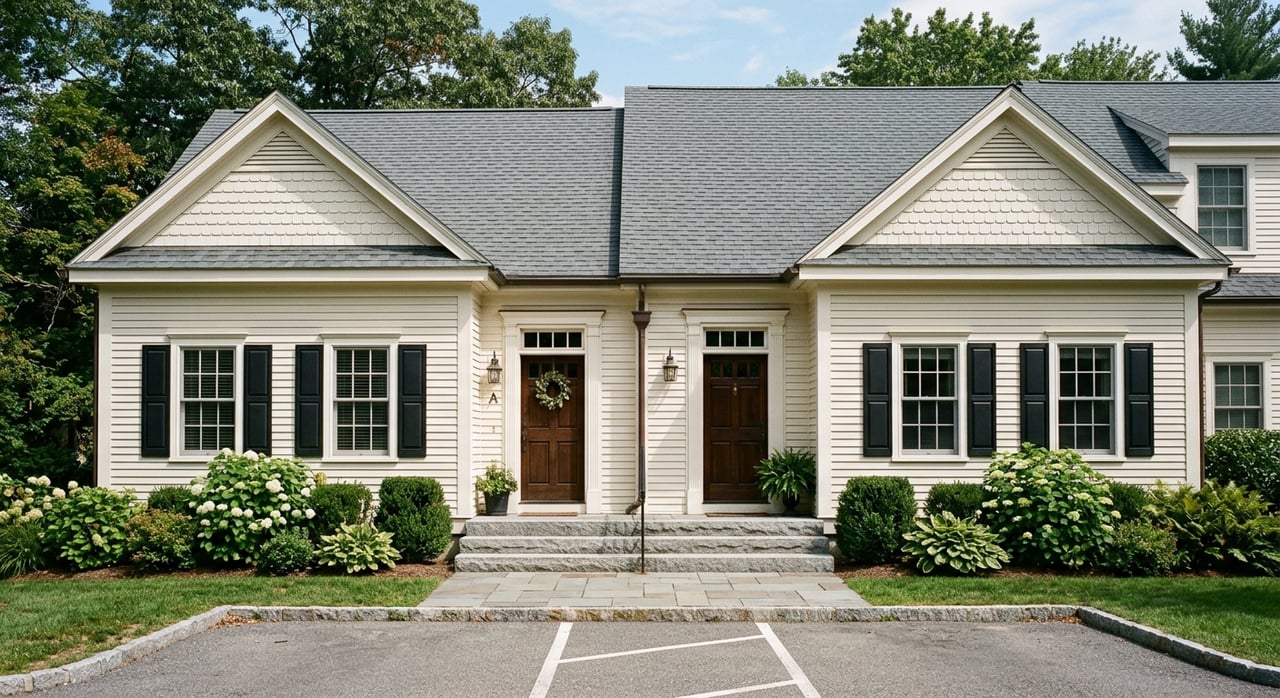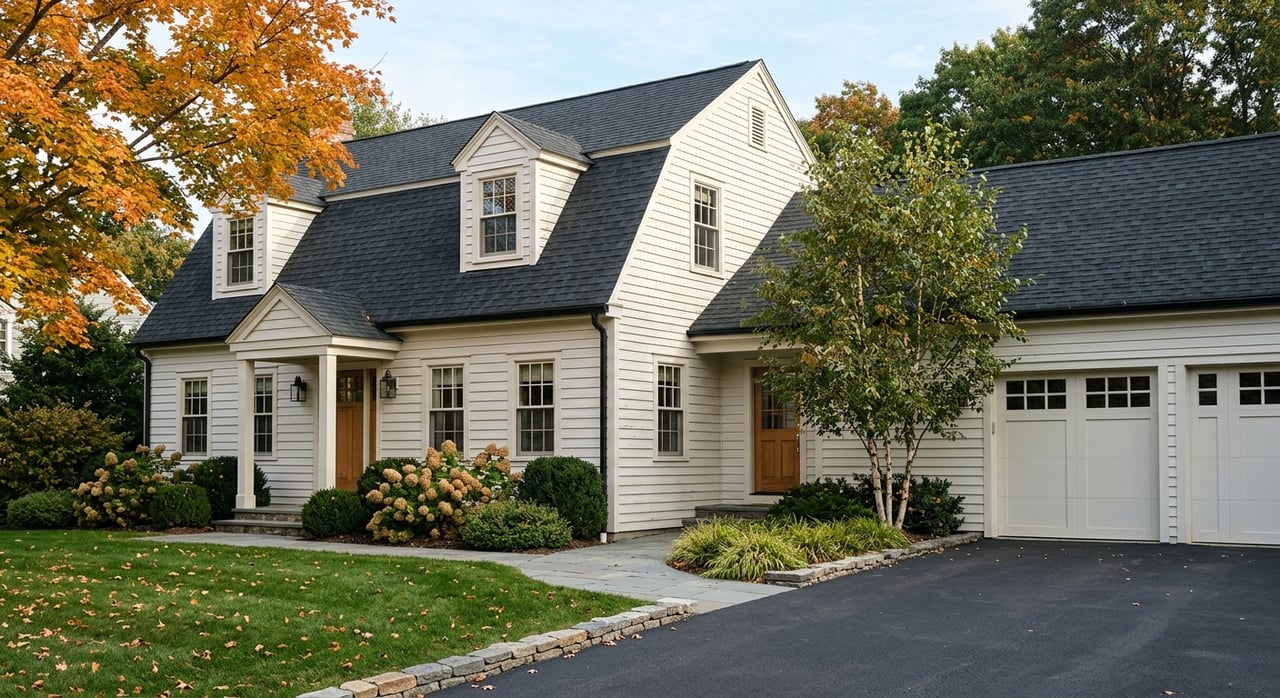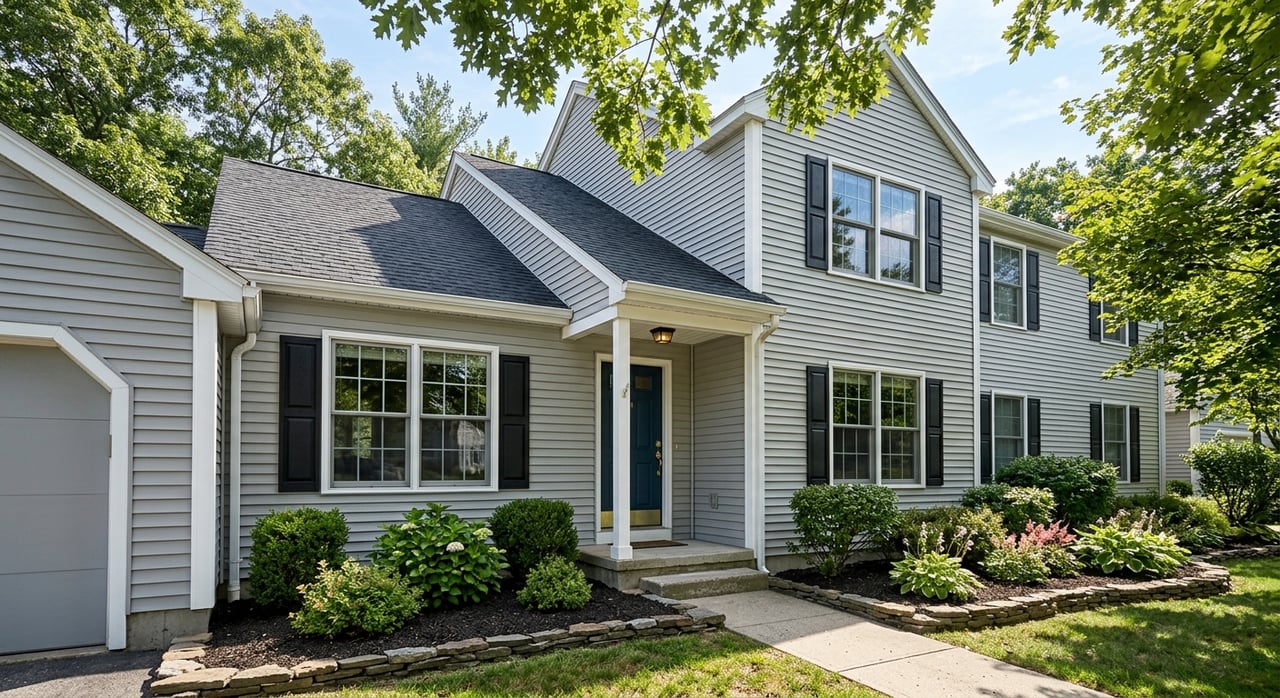
If you are getting ready to sell in Hartford County, one question can shape your whole strategy: are you selling a condo or a house? Both can attract strong buyer interest, but the pricing, prep work, buyer questions, and closing process are not the same. If you understand those differences before you list, you can make better decisions, avoid delays, and protect your bottom line. Let’s dive in.
Why the condo-house difference matters
In Hartford County, condos and houses do not compete on the same playing field. According to the March 2026 SmartMLS snapshot, the median sales price for a single-family home was $395,000 in March, while the townhouse and condo median was $271,000. Year to date, the medians were $382,000 for single-family homes and $270,000 for townhouse and condo properties.
That price gap matters because buyers compare your home to similar property types. If you price a condo as if it were a detached house, or price a house against condo-level expectations, you can hurt your listing from day one. The first step is to stay in the right comp set and build your strategy around how buyers actually shop in Hartford County.
Hartford County market timing
The local market is active for both property types, but market time is only part of the story. In March 2026, median days on market were 32 for single-family homes and 27 for townhouse and condo listings in Hartford County. Months of supply were also tight at 1.2 for single-family and 1.3 for townhouse and condo properties.
That tells you both segments are moving, with condos and townhomes showing slightly faster market times in that snapshot. Still, a condo sale can feel slower overall because the closing process often includes more association paperwork and lender review. So when you plan your timeline, you need to think about both time on market and time to closing.
Pricing a condo versus a house
Condos need condo comps
A condo seller should be priced against similar association properties, not detached homes nearby. That is especially important in Hartford County, where the median price spread between single-family homes and townhouse or condo listings was about $124,000 in March 2026.
Buyers also tend to think about a condo in terms of monthly carrying cost, not just purchase price. Since HOA dues are usually paid separately from the mortgage payment, many buyers want that monthly number early. If your pricing strategy ignores dues, assessments, or the overall monthly cost picture, you may lose buyer attention fast.
Houses are judged more on condition and lot value
With detached homes, buyers usually focus more on the property itself. They are often looking closely at the lot, exterior condition, privacy, and major systems. In areas with older housing stock, maintenance history can carry real weight.
Hartford’s 2024 housing profile helps explain why. It shows that much of the local housing stock is older, with 58% of owner-occupied units built before 1950 and another 27% built before 1970. For many house buyers, that means roofs, windows, insulation, foundation history, and mechanical updates may matter more than association rules or monthly dues.
Prep work is different before listing
House sellers often do more condition-based prep
If you are selling a house, your pre-listing work often centers on physical condition. Buyers may ask about recent repairs, maintenance records, and the age of key systems. Cleaning up exterior areas, addressing visible deferred maintenance, and organizing records can help reduce friction once your home hits the market.
This does not mean every house needs major updates before listing. It means your prep often needs to answer the question, “How well has this property been maintained?” The clearer that answer is, the easier it is for buyers to feel confident.
Condo sellers need to prepare documents early
If you are selling a condo or townhome in a common interest community, your prep often shifts from repairs to paperwork. Connecticut requires a Residential Property Condition Report for transfers of residential real property of four dwelling units or less, including condominiums and cooperatives. The seller must provide that report before the buyer signs a binder, contract, option, or lease with a purchase option.
The state form also warns that if the seller does not furnish it, the buyer may receive a $500 credit at closing. That is one reason it makes sense to get organized early. Waiting until the last minute can create avoidable cost and stress.
Condo sales are more document-heavy
The resale package matters
For condos and many townhomes in Connecticut common interest communities, the seller must also provide a resale package under Connecticut General Statutes section 47-270. That package includes core association documents such as the declaration, bylaws, rules or regulations, and a certificate covering items like common expenses, unpaid assessments, other fees, capital expenditures, reserves, the current budget, judgments and pending actions, insurance coverage, and restrictions on sale proceeds or leasing.
This is a big reason condo and townhome sales can feel more procedural than detached-home sales. Even if your unit is in great shape, the association records still matter to the buyer and often to the buyer’s lender. A smooth transaction usually starts with gathering these materials as early as possible.
There may be association fees and timing issues
The same Connecticut statute cites a $185 association fee for preparing the resale certificate. Hartford County Bar Association closing customs also say the seller typically pays for the resale certificate and the statement of common charges current through closing, while the buyer pays for any new insurance certificate naming the buyer or lender.
Those details matter when you estimate your net proceeds and your timeline. A condo closing often depends on how quickly the association or management company can turn around the needed documents. That is different from a typical house sale, where there are usually fewer third parties involved.
Buyer questions are different too
Condo buyers ask about the association
When buyers look at a condo or townhome, they are often evaluating both the unit and the association. Common questions include:
- What are the monthly common charges?
- What do those charges cover?
- Are there unpaid assessments or special assessments?
- Are major capital projects coming up?
- How strong are reserves and the operating budget?
- Are there leasing or occupancy restrictions?
These are not side questions. They directly affect affordability, future use, and lender approval. The Connecticut resale certificate is designed to bring many of these issues into the open.
House buyers ask more about the property itself
Buyers of detached homes usually spend less time on association governance and more time on the condition of the property. In Hartford County, especially with older homes, questions often center on exterior maintenance, windows, insulation, roofs, and foundation history.
That means your marketing and showing prep should match the buyer mindset. A house listing often needs strong proof of upkeep. A condo listing often needs strong proof of association clarity.
Financing can be trickier for condos
Financing is another area where condo and house sales can diverge. Condo financing can depend not only on the buyer’s qualifications, but also on the project itself. HUD says FHA condo financing requires either an FHA-approved condo project or a project that meets Single-Unit Approval requirements, with review tied to insurance, financial condition, title, legal action, and physical condition.
Conventional financing can also involve condo project standards. In plain terms, that means some condo deals face an extra layer of scrutiny that detached-home sales usually do not. If you are a condo seller, being ready to answer questions about dues, reserves, assessments, restrictions, and project records can help keep a buyer from getting stuck mid-transaction.
Marketing should match the property type
What works for condo marketing
In Hartford County, condo marketing often performs best when it focuses on convenience, monthly carrying costs, and association health. Buyers want to understand the value of the unit, but they also want a clear picture of the broader ownership structure. The more transparent you are about dues, rules, and recent association information, the more confident a buyer can feel.
Professional visuals still matter. Clean photography, floor plans, and 3D tours can help buyers understand layout and flow, especially when they are comparing multiple similar units online.
What works for house marketing
Detached-home marketing usually leans harder into lot features, privacy, exterior presentation, and updates to major systems. Buyers often want to see the full property context, not just room-by-room photos. That is why wide exterior photography and clear documentation of improvements can be especially useful.
For many house sellers, the marketing goal is to help buyers picture both the home and the land. For condo sellers, the goal is often to show efficient living space and reduce uncertainty around monthly costs and association details.
What this means for your selling plan
If you are selling a condo in Hartford County, your success often depends on two things: pricing it against the right competition and getting ahead of the document trail. If you are selling a house, your plan may involve more condition-focused preparation and a stronger emphasis on property-specific features.
In both cases, the basics still matter. You need accurate pricing, clear presentation, responsive communication, and a smooth path from listing to closing. The difference is where the friction usually shows up.
A practical approach is to start with the likely buyer questions for your property type. For a house, that may be maintenance and improvements. For a condo, that may be dues, assessments, reserves, rules, and lender compatibility. When you prepare around those questions early, you reduce surprises later.
Selling a condo and selling a house in Hartford County are not the same job. The strongest results usually come from using the right pricing strategy, the right prep list, and the right marketing for the property you actually have. If you want full-service support, professional marketing, and a more cost-efficient way to sell, Kevin Rockoff can help you move forward with clarity.
FAQs
What is the main difference between selling a condo versus a house in Hartford County?
- The biggest difference is usually the mix of pricing, buyer concerns, and paperwork. Condo sales often involve more association documents and financing questions, while house sales often involve more property-condition preparation.
How should you price a condo in Hartford County?
- You should price a condo against similar condo or townhome sales, not nearby detached homes. Hartford County market data shows a large median price gap between these property types, so using the wrong comps can weaken your listing.
Why can a condo closing take more work in Connecticut?
- A condo sale may require a resale package with association documents, financial information, insurance details, and other records under Connecticut law. That extra document collection can add steps beyond a typical house sale.
What documents do condo sellers in Connecticut need to prepare?
- Condo sellers should be ready to provide the Connecticut Residential Property Condition Report and, when the property is in a common interest community, the resale package required under section 47-270.
What do Hartford County condo buyers usually ask about?
- Buyers often ask about monthly common charges, what those charges cover, special assessments, reserves, budget strength, leasing restrictions, and whether the project works well for financing.
Do houses and condos sell at the same speed in Hartford County?
- In the March 2026 SmartMLS snapshot, townhouse and condo listings had a median of 27 days on market versus 32 days for single-family homes. Even so, condo closings can involve more document and lender review after a buyer is found.