Are you getting your Hartford County home ready to sell and wondering where to start? You want a strong price, fast momentum, and a smooth closing without wasting time or money. This step-by-step checklist gives you a clear plan tailored to Connecticut rules, Hartford County seasons, and today’s digital listing workflow. Follow the timeline, use the checklists, and you will be photo-day ready and showing with confidence. Let’s dive in.
Plan timing around Hartford seasons
Buyer activity in New England is typically strongest in spring and early summer. If you can, start prep in late winter or early spring so you are ready for peak demand. For fresh month-by-month data on prices, inventory, and days on market, review the Connecticut REALTORS county market reports.
Winter listings still move in Hartford County. Just plan for snow removal, salt cleanup, and earlier sunsets that affect natural-light photos. If you need exterior photos in winter, schedule around clear, bright days and keep walkways safe.
Your pre-listing checklist
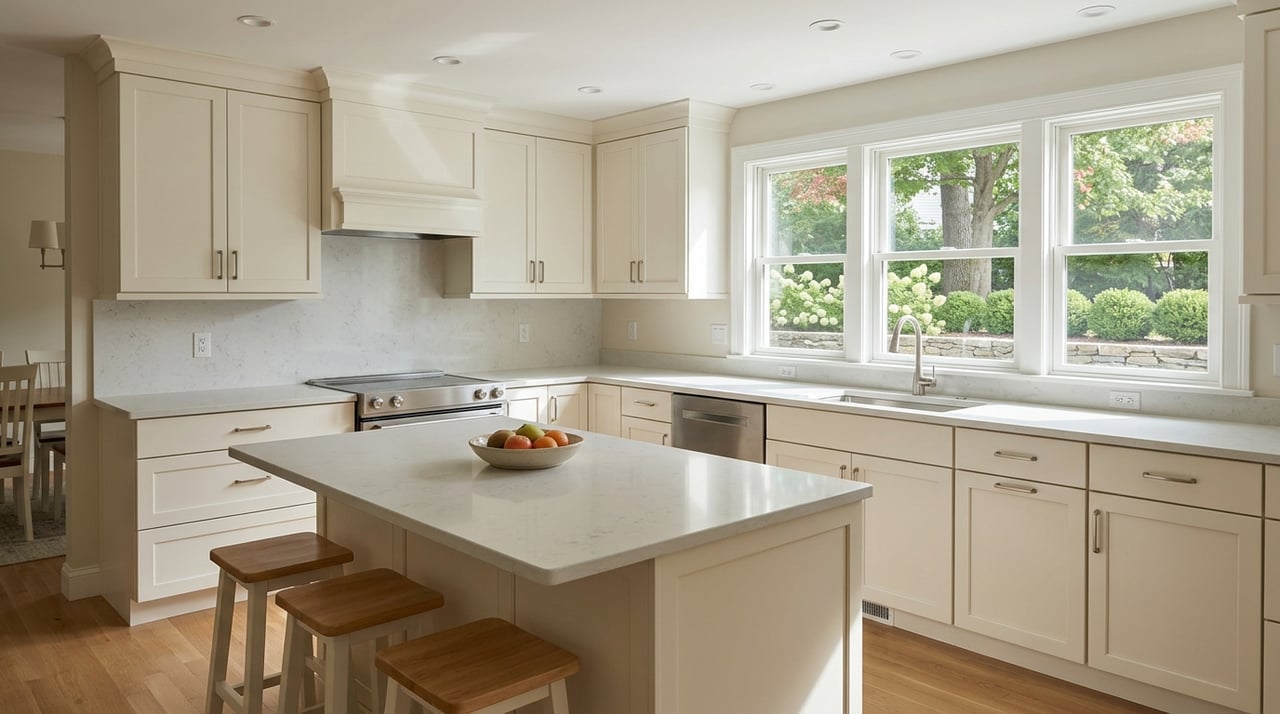
Declutter, depersonalize, deep clean
Your goal is to make every room feel larger, brighter, and move-in ready. Start 4 to 8 weeks before you plan to list.
- Remove extra furniture and pack personal photos and collectibles.
- Clear kitchen and bath counters so surfaces shine in photos.
- Deep clean floors, carpets, windows, fixtures, and baseboards.
- Neutral scents matter. Address pet or smoke odors with professional cleaning if needed.
Minor repairs and safety fixes
Tackle small issues buyers notice in photos and during walk-throughs. Aim to complete these 2 to 6 weeks before listing.
- Fix leaky faucets, running toilets, loose hardware, and sticky doors or windows.
- Patch drywall, replace cracked tiles, and secure any wobbly railings.
- Update bulbs to daylight-balanced LEDs and replace worn cabinet pulls or doorknobs.
- Consider a short pre-listing inspection to avoid surprises later.
Curb appeal and exterior prep
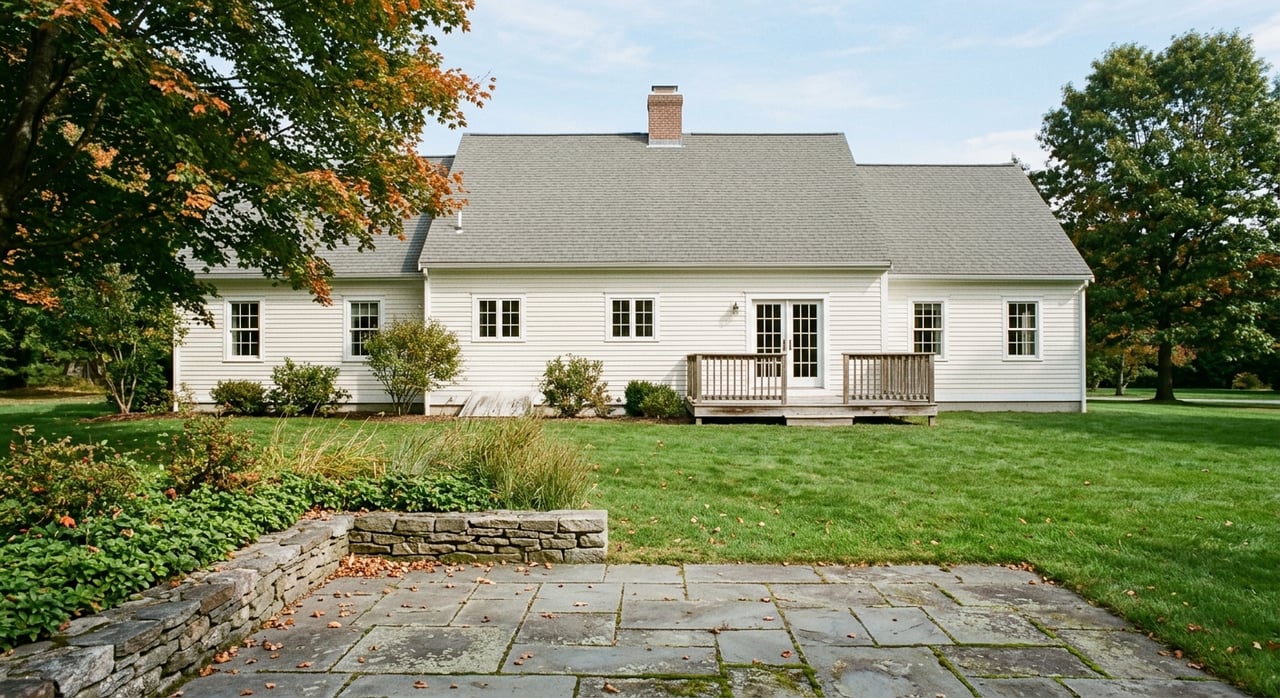
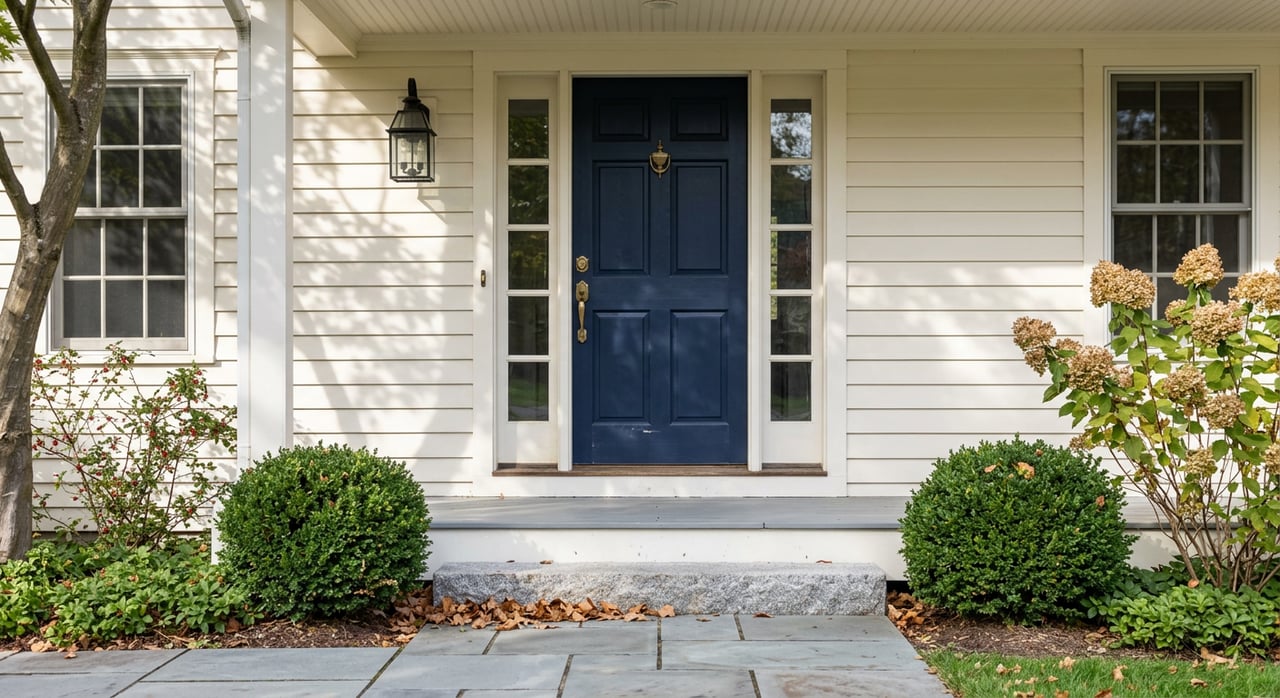
First impressions start at the street. Plan to complete the first round 1 to 3 weeks before listing, then maintain through showings.
- Mow, edge, weed, and refresh mulch. Prune shrubs and trim trees.
- Power wash siding and hardscapes. Touch up paint and polish door hardware.
- Add simple seasonal planters near the entry.
- In winter, clear salt stains and keep walkways safe and ice-free.
Staging and photo-day readiness
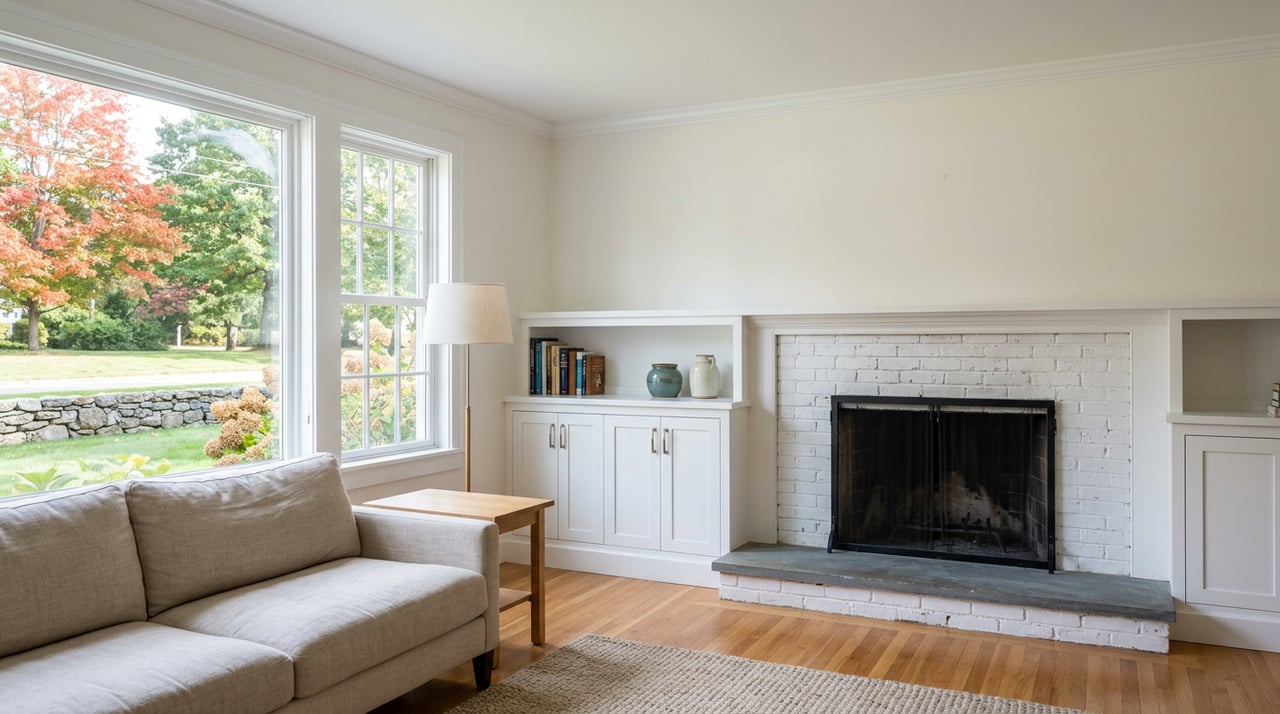
Staging helps buyers understand room function and flow. Keep it neutral and simple.
- Soften bright or polarizing colors when possible. Remove oversized furniture.
- Use light accents like pillows or fresh flowers. Keep surfaces and floors visible.
- In kitchens and baths, clear small appliances and remove fridge magnets.
- On photo day, clean top to bottom, open blinds, set a comfortable temperature, and turn on every light. Secure or remove pets and related items.
- Professional staging can help, especially for vacant or higher-priced homes. Industry research from the National Association of REALTORS finds staging can influence time on market and offer strength.
Photography, virtual tours, and drone
High-quality visuals drive showings in today’s digital-first market. Plan 20 to 30 pro images, plus floor plans and a 3D tour when possible.
- Schedule photography 1 to 7 days before going live. Pick the brightest time of day.
- Clear driveways and remove visible clutter inside and out.
- If you want aerials, confirm your drone operator follows FAA rules. Hartford County’s proximity to Bradley International Airport may require additional authorization, so verify credentials in advance.
Paperwork, disclosures, and permits
Getting your documents ready early builds trust and speeds negotiations.
- Complete seller disclosures and gather records of major repairs, remodels, and permits.
- Homes built before 1978 require a federal Lead-Based Paint disclosure. Review the EPA’s lead-based paint information to understand what buyers expect.
- If your home is in a condominium or planned community, gather HOA rules, financials, and resale documents. Confirm any restrictions on signage, showings, or open houses.
- For work that required permits, confirm they were opened and closed properly. Unresolved permit issues can delay closing.
Local environmental checks that matter
A few Hartford County specifics are worth confirming early.
- Flood zones: Check whether your property is in a FEMA floodplain, since buyers and lenders will care. Use the FEMA resources to review maps.
- Heating oil tanks: Disclose the presence and known condition of underground or aboveground tanks.
- Wells and septic: If applicable, buyers often ask for recent tests or inspections. See the Connecticut Department of Public Health’s guidance on well testing at the CT DPH website.
- Town items: Many details run through the town clerk or assessor. Ask about outstanding taxes, municipal liens, or local conveyance requirements.
Showing logistics and security
Make showings easy and safe for everyone. Finalize these details before you go live.
- Decide on lockbox access or agent-managed appointments and write clear showing instructions.
- Remove or secure valuables, prescription medications, and personal documents.
- Plan for pets. Board them or confine them during showings and hide bowls and litter boxes.
- Confirm HOA rules on open houses and showing times if applicable.
Utilities and practical handoffs
Small details make a big difference near closing.
- Provide utility provider names and helpful account information where appropriate.
- Leave appliance manuals, warranty info, and service histories in a labeled folder.
- Coordinate final meter readings with your closing agent and buyer.
Two seller-friendly timelines
Standard timeline: 4 to 8 weeks to list
- 6 to 8 weeks out:
- Hire your listing agent and align on strategy.
- Start decluttering and packing non-essentials.
- Consider a pre-listing inspection and request permit history from your town.
- 4 to 6 weeks out:
- Complete minor repairs and paint touch-ups.
- Begin curb appeal work and schedule any trade professionals.
- 2 to 3 weeks out:
- Finalize staging plan. Rent storage if needed.
- Assemble disclosures, receipts, permits, HOA docs, and recent utility info.
- Book professional photos and your virtual tour.
- 0 to 7 days out:
- Photo day. Final deep clean and staging touch-ups.
- Activate lockbox and finalize showing instructions.
- Listing goes live with full marketing push.
- First 1 to 2 weeks live:
- Keep the home show-ready and yard tidy.
- Be ready to review offers quickly if activity is strong.
Accelerated timeline: list in 1 to 2 weeks
- Focus on high-impact tasks only: deep clean, declutter, simple safety fixes, curb tidy, basic staging.
- Book photography and 3D tour as soon as possible. Many pros can deliver within 48 to 72 hours.
- Prepare required disclosures and whatever documentation you can gather quickly.
- Go live as soon as photos and property copy are ready.
Costs and smart ROI
Invest where buyers will see and value the difference. Use licensed, insured contractors and get written estimates. For general cost planning, compare quotes with sources like Angi and HomeAdvisor.
Typical ranges vary by size and scope, but here are helpful ballparks:
- Professional cleaning: about $150 to $400.
- Interior paint refresh: about $1,500 to $6,000.
- Landscaping refresh: about $300 to $3,000.
- Minor repairs and touch-ups: about $200 to $2,000.
- Partial staging for occupied homes: about $800 to $3,000. Vacant homes often cost more.
- Pro photography and virtual tour: about $200 to $600. Aerials are extra.
Aim for low-cost, high-impact updates first. Neutral paint, decluttering, deep cleaning, updated lighting and hardware, and curb appeal usually deliver strong returns. For big-ticket items like a roof or HVAC, ask your agent for comps and expected ROI before committing.
Hartford County extras to double-check
- Floodplain status using FEMA resources if there is any uncertainty.
- Heating oil tanks and any known past leaks or remediation.
- Private well and septic testing expectations with guidance from the CT DPH.
- HOA rules affecting signs, showings, and open houses.
- FAA-compliant drone flights if you want aerial photos near Bradley International.
Quick showing-day checklist
- Interior: all lights on, blinds open, beds made, counters cleared, bathrooms tidied.
- Comfort: set a comfortable thermostat and remove pet items and litter boxes.
- Security: remove valuables and medications and secure personal documents.
- Exterior: driveway clear, lawn tidy, porch swept, and garage door closed.
- Access: lockbox active or agent present with clear instructions on parking and alarms.
Ready to list fast at 1%
You can move from first prep to live listing quickly when you follow a clear plan. With a full-service approach that includes professional photography, drone and 3D tours, floor plans, MLS exposure, signage and lockboxes, open houses, and negotiation support, you get strong marketing without overpaying. If you want a streamlined, digital-first workflow and a fair 1% listing fee, talk with Kevin Rockoff to get your free listing quote and timeline.
FAQs
When is the best time to list in Hartford County?
- Buyer activity is typically strongest in spring and early summer, and you can monitor current trends with the Connecticut REALTORS county reports.
What disclosures do Connecticut sellers need before listing?
- Prepare your property disclosure, and for homes built before 1978 include the federal Lead-Based Paint disclosure with guidance from the EPA’s resources.
How do I handle wells and septic before listing?
- Buyers often ask for recent tests and inspections, so review the Connecticut Department of Public Health guidance at the CT DPH website.
How do I know if my home is in a flood zone?
- Check FEMA floodplain resources for your property since flood status affects buyer decisions and lender requirements using the FEMA site.
Can I use drone photos near Bradley International Airport?
- Yes, if your operator follows FAA rules and obtains any required authorizations for the airspace.
Do I need a pre-listing home inspection?
- It is optional but useful for finding issues early and avoiding delays during the buyer’s inspection, especially if you want a smoother negotiation.