Thinking about listing your Hartford County home this year? Those county market charts and headline numbers can feel confusing when you just need a clear plan to price well and sell with confidence. You want to understand what buyers are paying, how long sales take, and how much room you’ll have to negotiate. This guide breaks down the key data points, shows how to read Hartford County’s latest snapshots, and gives you a simple workflow to turn numbers into a smart listing strategy. Let’s dive in.
Hartford County snapshot to watch
Use these as context, then narrow to your town and price band.
- Typical price level: Public portals show Hartford County’s “typical” or median sale price in the mid-to-upper $300Ks. Zillow’s county Home Value Index recently sat around $364,345, which reflects a smoothed trend rather than a single-month median (Zillow Hartford County dashboard).
- Speed and negotiation: Redfin’s January 2026 snapshot reported a median sale price near $360K, a sale-to-list ratio just over 101 percent, and median days on market in the mid 40s (Redfin Hartford County market page). Realtor.com’s recent view showed a sale-to-list of about 100.6 percent and DOM near 44 days, and labeled the county a seller’s market in late 2025 (Realtor.com Hartford County overview).
- Supply: Local coverage continues to note constrained inventory across Greater Hartford, which helps support prices. Expect variation by town and price point, especially in higher tiers (CT Insider market context).
Portals update at different times and may publish slightly different medians. Always note the source and date, then pair these county numbers with town comps and an agent’s CMA before you set a list price.
What each metric really means
Median sale price
- What it is: The middle sale price for closed deals in a period, with half of sales above and half below. Reporters prefer the median because it resists outliers.
- How to read it: Medians can shift when the mix of properties sold changes. A month with more condos or more higher-priced homes will move the county median even if your specific segment did not change much. For context on how medians behave in reports, see the National Association of REALTORS explanation (NAR on median prices).
- What it means for you: Treat the county median as a backdrop. Your pricing should be based on recent, like-for-like comps in your town and price band.
Sale-to-list ratio
- What it is: Final sale price divided by the final list price, shown as a percentage. Over 100 percent means over ask; under 100 percent means a discount off ask (sale-to-list definition).
- How to read it: When Hartford County sits near or slightly above 100 percent, buyers are paying close to asking and negotiation room is slim. Pair this with DOM and inventory to gauge heat.
- What it means for you: In a high ratio, low-supply environment, pricing near market value is usually the cleanest path to strong interest and solid offers.
Days on market (DOM)
- What it is: The median time from listing to contract. Some systems track cumulative DOM separately. Watch for resets when listings are withdrawn and relisted, since that can mask true time-to-contract (DOM caveat).
- How to read it: County-level DOM in the 40s tells you the overall market moves in weeks, not days. Your town and price point may be faster or slower.
- What it means for you: The first 1 to 2 weeks after launch are critical in faster segments. If you see little traffic or no offers by the local DOM norm, plan a data-driven adjustment.
Months of supply (inventory)
- What it is: Active listings divided by the recent monthly sales pace. It estimates how long the current inventory would last if no new homes were added (months-of-supply primer).
- How to read it: Rough guideposts are 0–3 months as seller’s market, 3–6 balanced, over 6 buyer’s market. Greater Hartford coverage continues to point to limited supply as a key support for prices (CT Insider market context).
- What it means for you: Check supply in your town and price band. Luxury often carries higher MOS than mid-market segments.
New listings and pendings
- What they show: Momentum. Pendings tell you what is going under contract now, while new-listing counts show fresh competition. Many portals publish both at the county level (Realtor.com Hartford County overview).
- What it means for you: Rising pendings plus falling actives often signal strengthening demand. Rising actives with slower pendings can point to cooling.
Price per square foot and property type
- How to use it: Compare like-for-like homes. PPSF is most helpful within the same property type, size range, and condition. County medians mix single-family, condos, and multifamily, so segment whenever possible. Portals offer town lists and PPSF that help you zoom in.
Turn numbers into a listing plan
Use this simple, non-technical workflow to prep your pricing and launch.
Start with a county snapshot. Pull one reliable headline view, like the Redfin or Realtor.com Hartford County page, and write down the snapshot date and metrics that matter most to you: median price, DOM, and sale-to-list.
Zoom to your town. Look up town or ZIP-level figures to see how your area differs from the county. Greater Hartford Association of REALTORS releases include SmartMLS-driven stats agents use locally (GHAR monthly releases).
Get a CMA from an agent. Ask for comps from SmartMLS that match your property type, size, age, and condition. Note the CMA date and how many comps were used. The CMA is the most precise pricing tool for your home.
Set a market-aware list price. Consumer guidance from Realtor.com favors pricing at market value for today’s demand rather than emotionally overpricing, which can stall momentum (how to price in a seller’s market). Listing a bit low to spark competition or a bit high to test the market are tactics with tradeoffs. Decide based on your timeline and risk tolerance.
Track launch-week signals. For the first 1 to 2 weeks in faster segments, and the first 30 days in slower ones, watch three things: showing activity, offer quality versus ask price, and changes in active listings at your price point. Use a 3 to 6 month rolling average for small sample areas so you do not react to noise.
Have a pre-planned adjustment. If your traffic and offer quality lag behind local norms by the DOM midpoint, make a data-backed change to price, presentation, or both.
Pricing and launch tips
- Focus on your segment. Compare to recent deals within the same town, property type, size, and condition. County medians are context, not a price tag.
- Respect the clock. When local DOM is short, front-load your effort: clean, declutter, and aim for strong marketing on day one.
- Mind the mix. Small monthly sales counts in some towns or price bands can swing medians. Use a 3 to 12 month lookback and note the number of sales behind each figure.
- Pair price with presentation. If sale-to-list trends near 100 percent and inventory is tight, clean pricing plus top-notch visuals can pull more qualified buyers in the first weekend.
- Watch supply weekly. New listings and pendings can shift quickly. If your price band’s actives jump, consider tightening your price or improving presentation to stay competitive.
- Consider a pre-list appraisal for unique homes. It can reduce pricing error when comps are thin.
Example: reading the numbers
Say Redfin shows a county median around $360K with DOM in the mid 40s, while Realtor.com shows sale-to-list at about 100.6 percent, and your town’s GHAR stats show single-family DOM in the low 20s at your price band. Here is how to use that:
- Expect near-ask pricing if you list at market, especially if your segment’s DOM is shorter than the county’s.
- Make launch week count. Aim for pro-level photos, clear copy, and immediate showing availability.
- If you see light traffic in the first 10 to 14 days, review your comps and adjust quickly instead of waiting for a stale listing.
Avoid common data traps
- Mixing apples and oranges. Do not compare your 3-bed colonial to condo medians or to much larger homes.
- Ignoring sample size. A tiny number of monthly sales can produce jumpy medians. Smooth the data with a longer window.
- Over-relying on county numbers. Town and price-band trends drive your actual outcome.
- Chasing last month’s peak. Price for the market you are entering, not a headline from a different segment.
- Skipping MOS. Months of supply is a clean gauge of leverage. Pair it with DOM and sale-to-list.
- Forgetting condition and marketing. Clean, bright presentation still wins attention even in low supply.
Why your marketing still matters
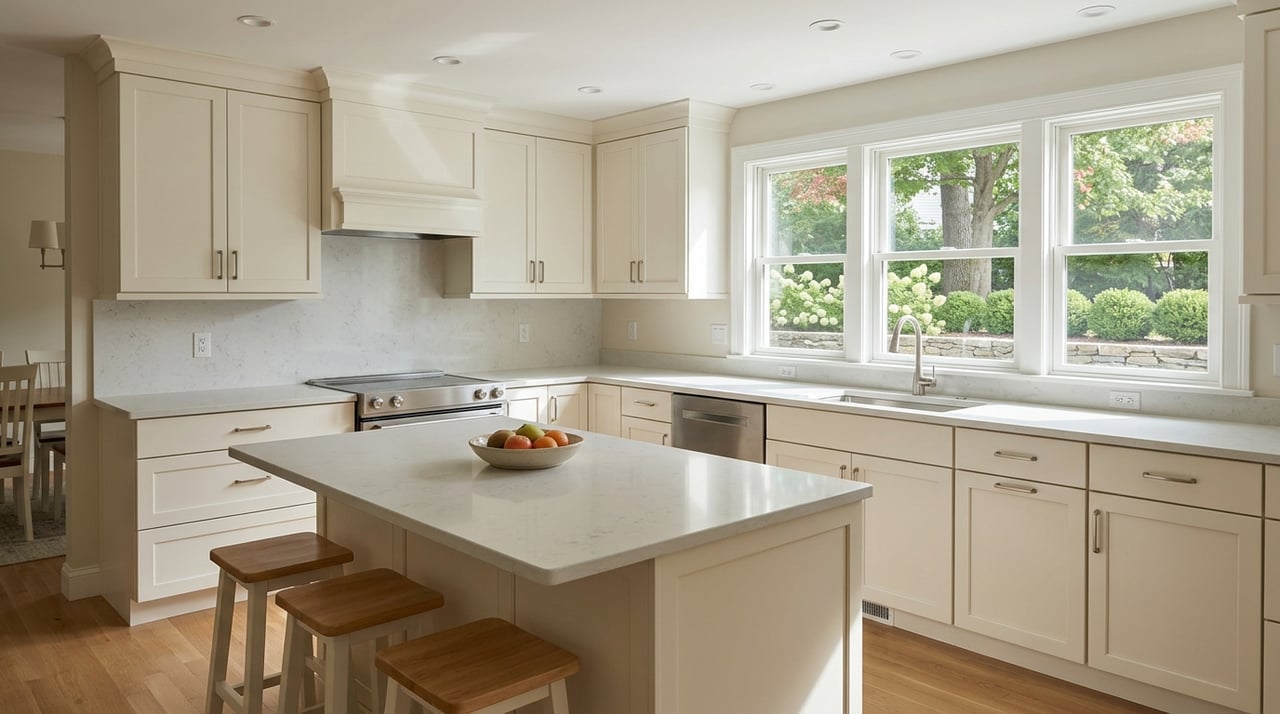
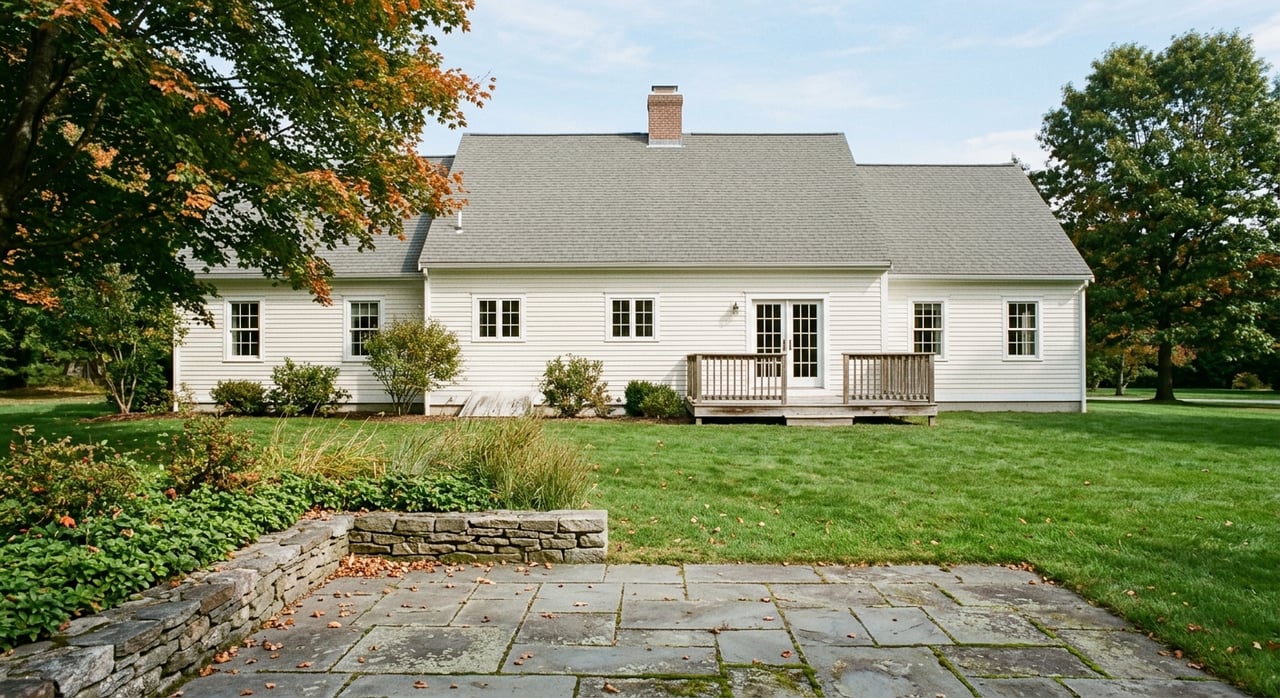
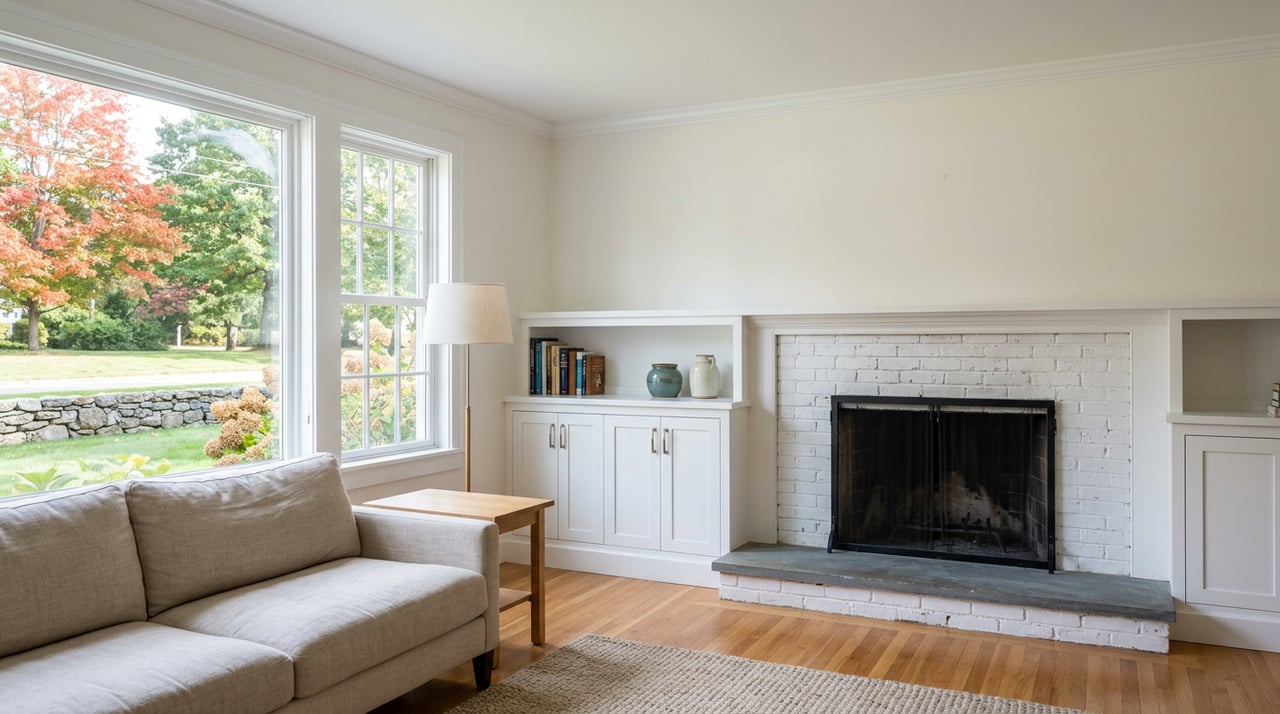
Even with tight inventory, buyers compare options side by side online. Professional photography, drone images, 3D tours, and floor plans help your home stand out, generate more showings, and can compress time-to-contract in faster segments. When you pair market-aware pricing with strong presentation, you increase the odds of full-price or better offers, especially when sale-to-list hovers near 100 percent and supply is lean.
If you are preparing to sell in Hartford County and want a clear, data-backed plan plus full-service marketing for a 1 percent listing fee, reach out to Kevin Rockoff. Let’s price it right, launch clean, and keep more of your equity at closing.
FAQs
What is the current Hartford County median price?
- Public snapshots show typical prices in the mid-to-upper $300Ks, with recent examples around $360K depending on the provider and month. Always note the source and date, then use town comps for your home.
How should I use days on market when listing?
- Treat DOM as your speedometer. If your segment’s DOM is short, the first 1 to 2 weeks matter most. If traffic lags behind local norms by the midpoint of DOM, consider a price or presentation adjustment.
What does a 101 percent sale-to-list ratio mean for me?
- Buyers are paying close to asking, so negotiation room is limited. Pricing near market value and launching with strong marketing often produces better offer quality.
How much inventory signals a seller’s market locally?
- Roughly 0–3 months of supply leans seller friendly, 3–6 is balanced, and over 6 favors buyers. Check MOS in your specific town and price band.
Should I price above, at, or below market in Hartford County?
- Pricing at market value is often the most reliable way to maximize interest. Listing slightly low can create competition, while listing high can extend time-to-contract. Choose based on your timeline, comps, and current DOM in your segment.