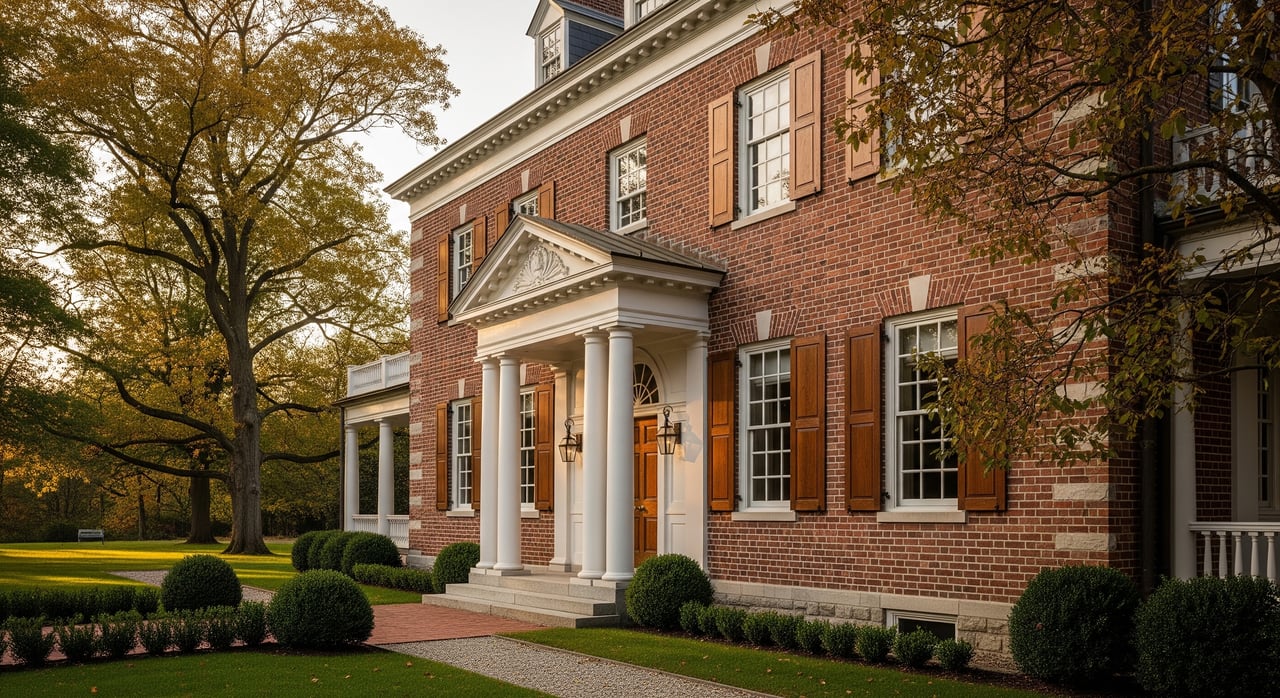
Thinking about a home with real character, hand-built details, and a story to tell? Hartford County has one of Connecticut’s richest mixes of older and historic homes, from village Colonials to Tudor Revivals and Craftsman bungalows. Owning one can be rewarding, but it also comes with unique maintenance, upgrade, and resale realities. In this guide, you’ll learn how to recognize common styles, plan smart improvements, navigate approvals, and prepare for a strong sale when the time comes. Let’s dive in.
Hartford County styles at a glance
Hartford County’s housing stock spans centuries. You’ll find early farmhouses, mill-era worker homes, and architect-designed properties in suburbs and towns across the river valley.
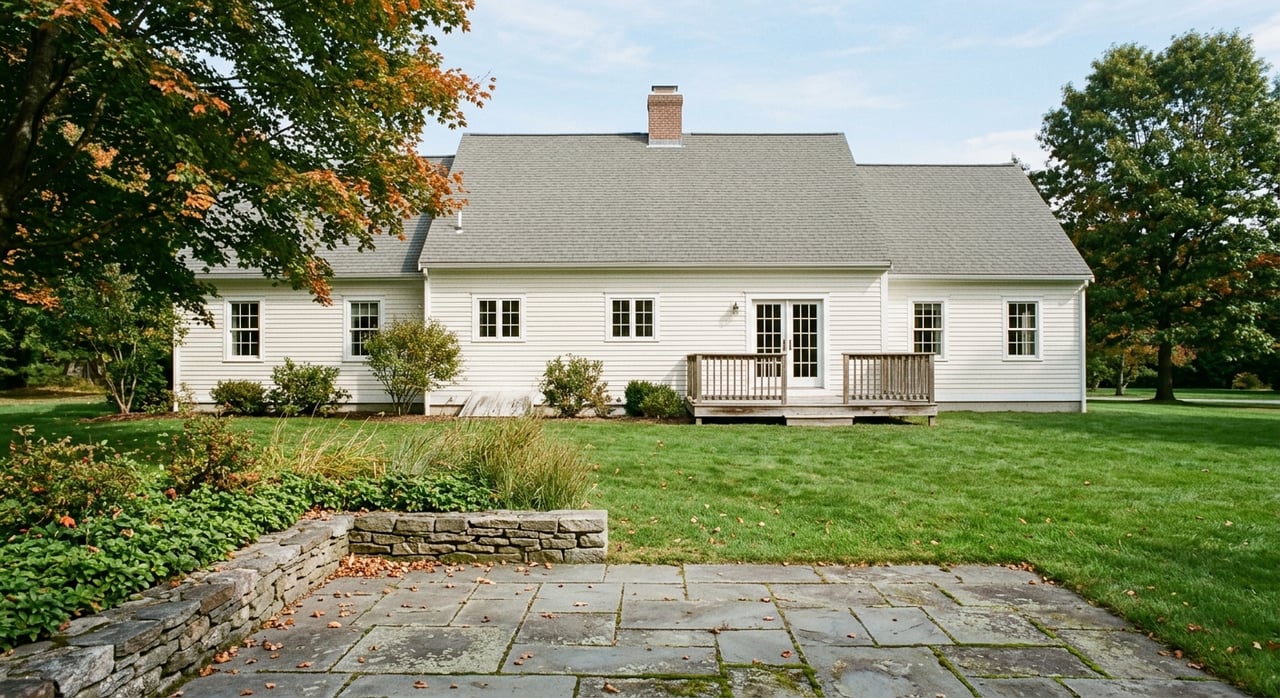
- Colonial and Colonial Revival: Symmetrical facades, central chimneys on early examples, simple moldings, and clapboard siding. Revival versions are larger with classical details.
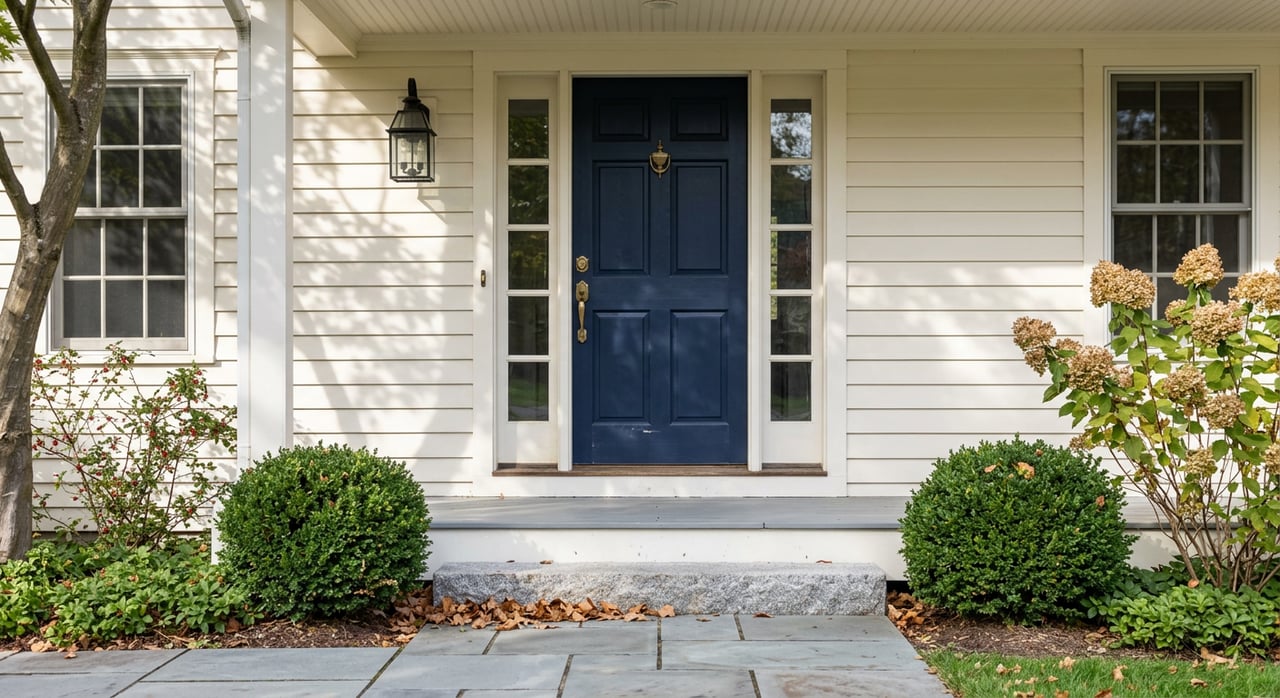
- Georgian and Federal: Balanced proportions, paneled doors with decorative crowns, and double-hung six-over-six windows. Federal details are more delicate.
- Greek Revival: Gabled pediments, wide trim, and pilasters that echo classical columns.
- Italianate: Low-pitched roofs, deep eaves with brackets, and tall, narrow windows. Some include cupolas.
- Victorian and Queen Anne: Asymmetry, wrap-around porches, decorative trim, and complex rooflines.
- Shingle and Stick: Wood shingles as primary cladding, often with a coastal New England influence.
- Craftsman and Tudor Revival: Exposed rafter tails and tapered porch columns on Craftsman homes; half-timbering on Tudor examples.
- Mill or worker housing: Modest, practical forms in or near former industrial centers, often in wood or brick.
Where you’ll find historic homes
Historic homes cluster in local historic districts and older neighborhoods across the county. Old Wethersfield offers a dense concentration of colonial-era buildings and a village setting. You will also see significant historic fabric in Hartford, West Hartford, Simsbury, Glastonbury, and Avon. Many towns have local review boards and district guidelines, so plan ahead if you expect to change exterior elements.
Maintenance realities to expect
Older homes reward consistent care. They can also surprise you if you skip due diligence. Focus on these core systems and materials as you plan your budget.
- Foundations: Stone or brick foundations may show mortar deterioration, moisture intrusion, and settling. Movement can show up as plaster cracks and sticky windows or doors.
- Moisture management: Older assemblies lack modern vapor barriers. Watch grading, gutters, and window details to reduce rot and mold risk.
- Roofing: Slate and wood-shingle roofs can last, but they need skilled repair. Pay attention to flashing, valleys, and chimney interfaces.
- Chimneys and masonry: Many chimneys need periodic inspection and repointing with lime-based mortar. Incompatible cement mortars can damage historic brick.
- Windows and exterior trim: Original single-pane windows can be drafty but are often repairable. Check sills, glazing putty, and casings for rot.
- Mechanical systems: Older wiring, plumbing, and heat systems may not meet current loads or codes. Knob-and-tube wiring or galvanized plumbing often needs upgrading.
- Insulation and energy: Original walls were not insulated. Insulation requires careful planning to avoid moisture problems, especially in masonry and balloon framing.
- Hazardous materials: Pre-1978 paint may contain lead. Some older materials can contain asbestos. Testing and proper handling rules apply.
Inspection and project timeline
Use a simple framework to plan what to tackle first and what can wait.
Immediate checks when buying
- Roof condition and age
- Foundation movement and moisture evidence
- Chimneys and masonry integrity
- Electrical service and visible wiring safety
- Active leaks and plumbing condition
- Signs of pests or wood-boring insects
- Likely presence of lead paint or asbestos
Near-term priorities (1–5 years)
- Repair or replace failing roofing
- Stabilize and repoint chimneys
- Upgrade electrical service and unsafe wiring
- Address drainage and foundation water issues
- Repair major plumbing leaks or corroded lines
Medium-term plans (5–15 years)
- Insulate attic and accessible walls with sensitivity
- Restore windows and add storm windows
- Selective masonry repointing with compatible mortar
- Modernize heating and cooling for efficiency
Ongoing care
- Exterior painting and wood repair
- Vegetation control near foundations
- Regular chimney and roof inspections by pros
Safety, code, and insurance basics
Lead-paint rules apply to most pre-1978 homes and affect sales disclosures and renovation practices. Renovations that disturb lead paint require specific certifications when children live in the home. If you suspect asbestos, have materials tested before any disturbance. Older wiring and outdated heating can affect insurance eligibility and premiums, so plan for detector upgrades and electrical improvements early.
Smart updates that preserve character
You can make an older home more livable without losing what makes it special. Follow well-accepted preservation principles.
- Preserve defining features: Keep original windows, trim, floors, mantels, and stair details where feasible. Repair first, replace only when beyond repair.
- Make new work compatible: Use like-for-like or visually compatible materials on prominent features. Make changes reversible when possible.
- Differentiate respectfully: New additions or alterations should read as new, but harmonize with massing, scale, and details.
Energy upgrades that fit older homes
Improve comfort and lower costs while protecting historic fabric.
- Attic and basement insulation: Highest impact with minimal visual change. Air seal penetrations in the attic before insulating.
- Weatherstripping and air sealing: Tighten doors and windows. Small, reversible steps often deliver measurable comfort gains.
- Storm windows: Interior or exterior storms boost performance while keeping original sash in place.
- Thoughtful HVAC: Consider high-efficiency boilers or low-profile heat pumps. Place exterior units where they are least visible from the street.
- Masonry caution: Interior insulation on solid masonry can trap moisture if not designed carefully. Consult preservation-minded contractors and building scientists first.
Interiors with respect and comfort
Balance modernization with heritage.
- Floor plan: Keep or highlight original room patterns when possible. Many buyers value the historic layout.
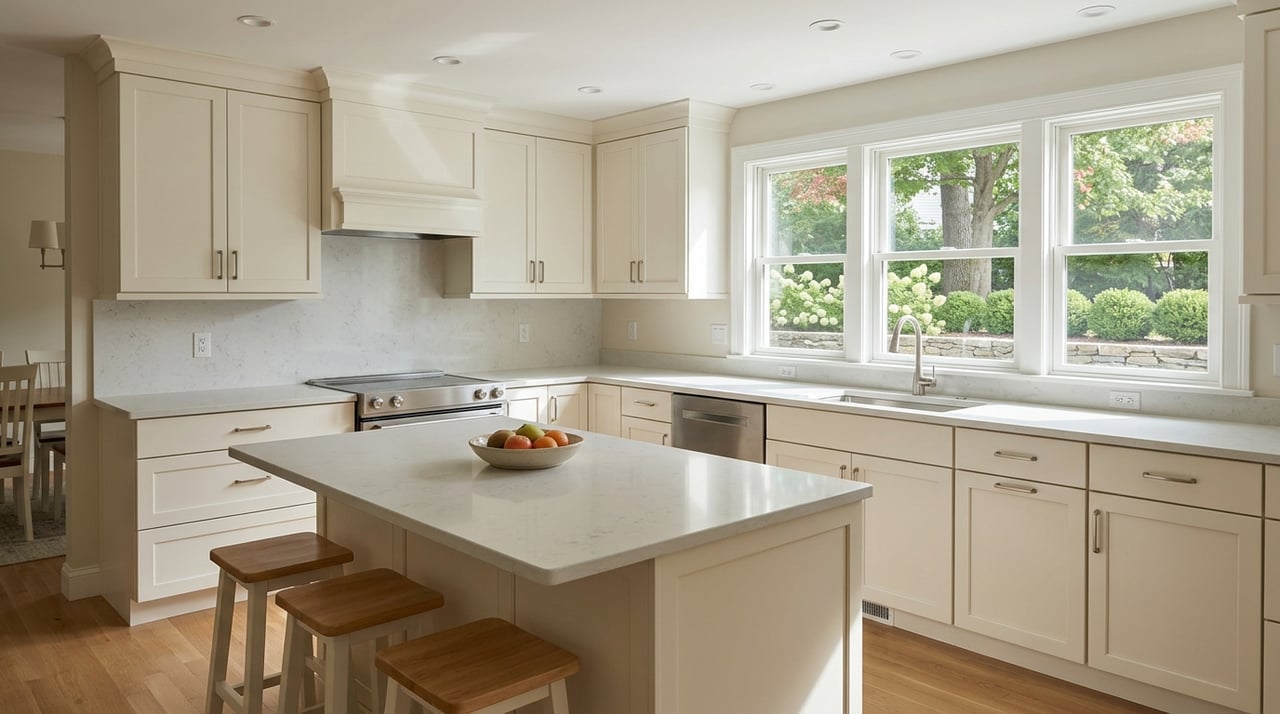
- Kitchens and baths: Update for everyday use while salvaging trim, doors, and built-ins. Choose cabinetry and finishes that complement the home’s era.
- Plaster: Restore where practical. Skilled lath-and-plaster repair preserves texture and acoustic benefits.
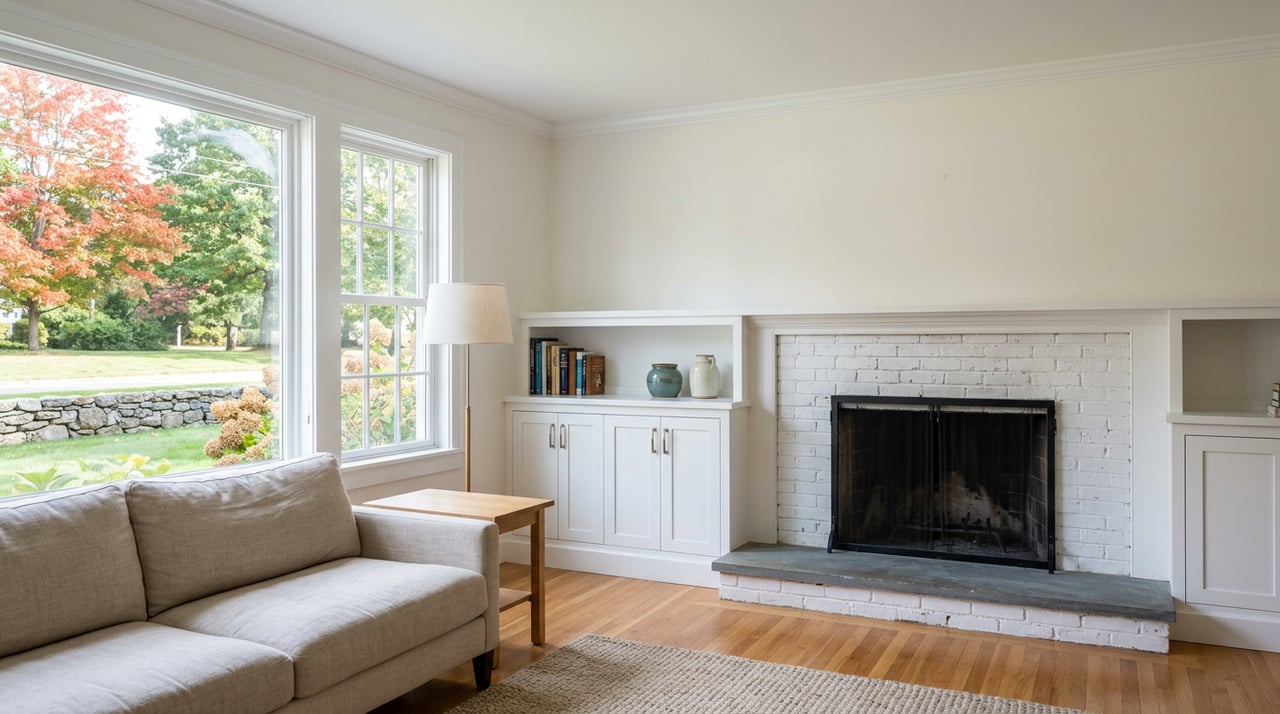
- Keep character-defining features: Do not remove fireplaces, staircases, significant moldings, or original windows to solve short-term layout issues.
Rules, approvals, and permits
Several Hartford County towns have Historic District Commissions that review exterior changes in designated districts. You may need a Certificate of Appropriateness for items like windows, siding, roofing, and additions. State or National Register listing does not automatically restrict work, but it can affect incentives. Most interior system upgrades require building permits. Confirm local rules early to set realistic timelines.
Financing and incentives to research
If you are buying or planning a larger rehabilitation, you have options to explore.
- Renovation mortgages: FHA 203(k) and Fannie Mae HomeStyle can bundle purchase and rehab into one loan. Expect to supply scopes, estimates, and to follow program rules.
- Historic tax incentives: The federal credit generally applies to certified rehab of income-producing properties. Owner-occupied single-family homes are not typically eligible for the federal credit unless part of an income-producing project. Some state programs may exist, so check current Connecticut offerings.
- Utility and energy incentives: Energy-efficiency programs and rebates for heat pumps and insulation can offset costs. Offerings change, so confirm with your utility and statewide programs.
- Insurance: Expect underwriting questions about wiring, roofing, and heating. Upgrades can improve rates and options.
Buying and selling tips that add value
Historic homes draw buyers who appreciate craftsmanship and established neighborhoods. Some will accept tradeoffs to keep original details, while others prefer turnkey updates that respect character. To improve marketability, focus on visible quality and documented safety.
- Document upgrades: Keep permits, contractor invoices, and before-and-after photos for electrical, plumbing, heating, and masonry work.
- Show energy wins: Storm windows, air sealing, and attic insulation that preserve appearance resonate with buyers.
- Modernize wisely: High-quality bath and kitchen updates that tie into historic trim and proportions boost appeal.
- Disclosures: Be ready with required lead-paint disclosures for pre-1978 homes and to note known defects.
- Financing readiness: Deteriorated systems can limit financing options. If issues are significant, rehab-friendly loans may be needed.
- Team of specialists: Work with inspectors and contractors who understand older materials, plaster repair, window restoration, and lime mortar.
- For sellers: A pre-listing inspection and clear documentation reduce uncertainty and speed negotiations.
Quick touring checklist
When you step inside a Hartford County historic home, scan the following:
- Roof, flashing, and chimney condition
- Foundation cracks, moisture, and grading
- Evidence of leaks in attic and basement
- Window sash function and sill condition
- Main electrical service and visible wiring type
- Heating system age and maintenance records
- Plumbing material and visible corrosion
- Signs of pests or wood damage
- Existing insulation and air sealing in the attic
- Records of prior work and permits
Owning an older home in Hartford County can be incredibly rewarding. With the right inspections, thoughtful updates, and a respectful approach to materials and details, you can enjoy comfort and character today while protecting long-term value. When you are ready to sell, high-quality documentation and smart improvements can set your listing apart.
Ready to talk strategy for photographing and marketing your historic home, and to keep more of your equity at closing with a full-service 1% listing fee? Reach out to Kevin Rockoff for a straightforward plan and a free listing quote.
FAQs
How much more maintenance do historic homes need?
- Expect higher preventive maintenance and periodic restoration costs than newer homes due to specialty materials and skilled labor needs.
Can I modernize kitchens and baths without losing character?
- Yes. Retain trim, doors, and built-ins where possible, and choose cabinetry and finishes that complement the home’s era.
Should I repair or replace original windows?
- Prioritize repair and add storm windows for performance. Replace only when sash are beyond practical repair.
What incentives can help with restoration in Connecticut?
- Explore renovation loans like FHA 203(k) or HomeStyle, and check current state energy and potential preservation programs for eligibility.
Will a lender finance a home with old wiring or foundation issues?
- It depends on severity. Some homes require repairs or rehab-friendly financing to meet lender and appraisal standards.
Do I need approval to change my exterior in a historic district?
- In many towns, yes. Local Historic District Commissions often require a Certificate of Appropriateness for visible exterior changes.
How can I improve energy efficiency without harming masonry walls?
- Focus on attic and basement insulation, air sealing, and storm windows. Add interior wall insulation in masonry only with expert guidance.
What should sellers document before listing a historic home?
- Keep permits, contractor invoices, and photos for system upgrades and restoration work, plus required disclosures for lead paint when applicable.