Thinking about selling in the next 1 to 3 years and wondering how your neighborhood will shape your results? In Hartford County, location patterns matter a lot for demand, time on market, and pricing. Low inventory has kept competition strong in many areas, but the way buyers respond depends on the neighborhood type. In this guide, you’ll learn how four common Hartford County neighborhood patterns influence resale potential and how to read the local signals before you list. Let’s dive in.
Hartford County market snapshot
Hartford County has been leaning toward sellers thanks to tight supply and steady demand. Local coverage notes months of supply in the low single digits and highlights Greater Hartford among strong national markets because of limited inventory and relative affordability (local reporting on inventory and outlook). When supply stays lean, neighborhood advantages like schools, walkability, and commute time have an even bigger impact.
As a reference point, the Greater Hartford Association of REALTORS® reported a single‑family median sales price around $372,000 and average days to sale of about 26 days in a January 2025 snapshot (GHAR market release). Actual results vary by town, neighborhood type, and time of year. Think of these as directional markers you can compare to your immediate area.
Neighborhood types and resale signals
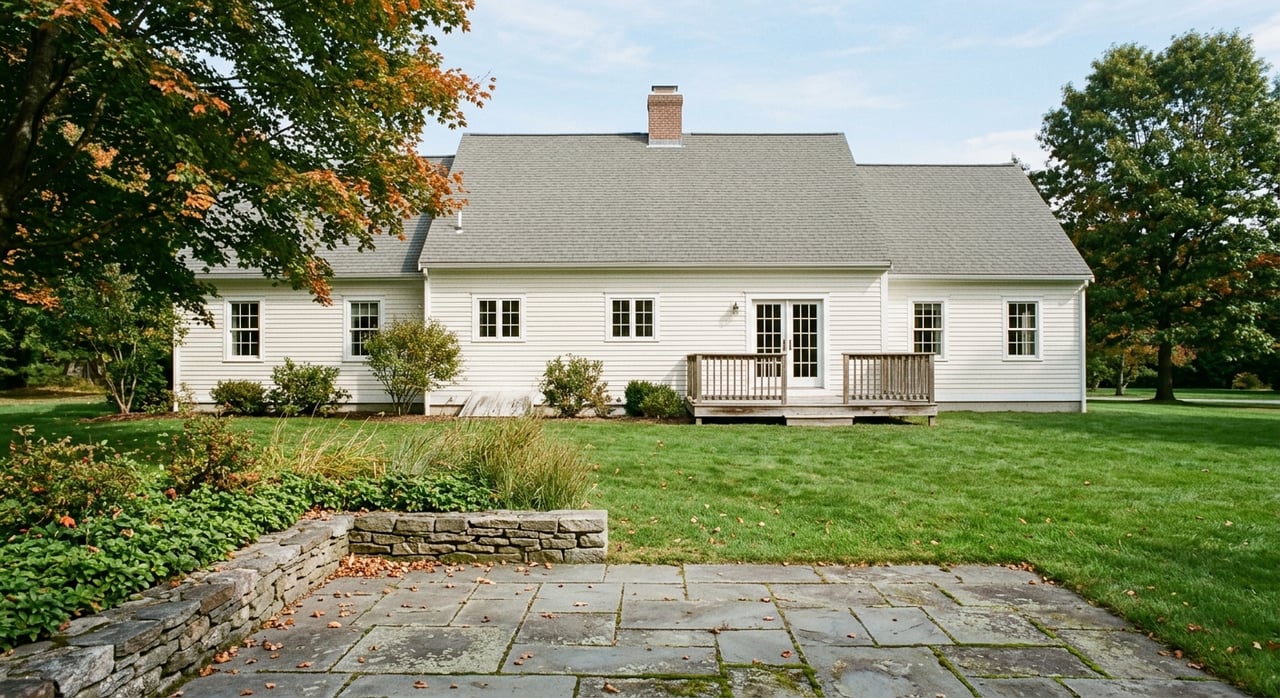
Established suburbs
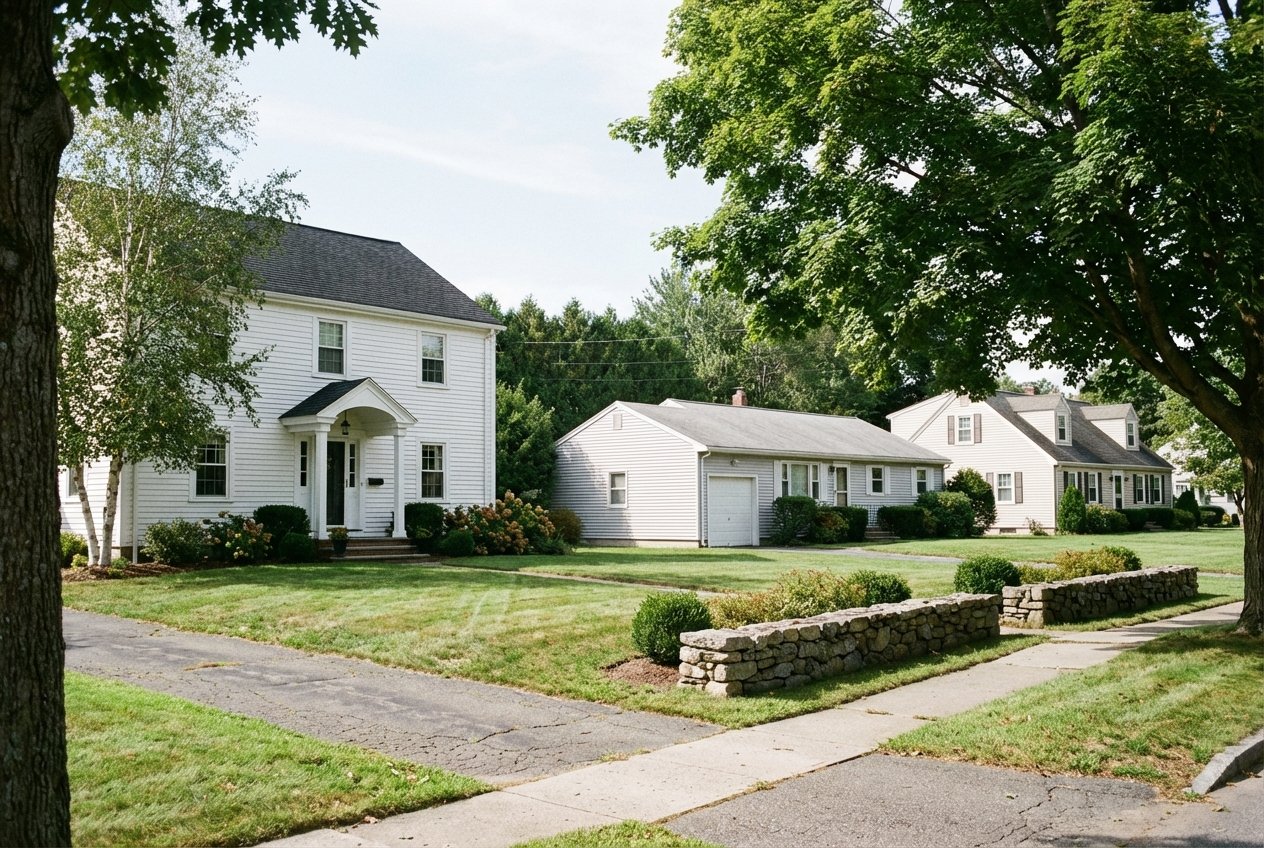
These are long‑standing single‑family neighborhoods with larger lots and mature trees. Buyers here often prioritize yard space and school district boundaries. Research shows school quality is frequently capitalized into home values, which can support prices where district reputations are strong (academic review on school effects).
When supply is tight, well‑priced suburban homes in top corridors often sell faster than county averages and can attract multiple offers. Older homes that need work tend to take longer and see more price adjustments. GHAR’s monthly updates have shown quicker sales in desirable suburban segments during 2025 (GHAR market release).
What to watch:
- Neighborhood‑level days on market compared to the county snapshot.
- Recent closed sales within the same school boundary over the last 6 to 12 months.
- Pending sales versus new listings in your immediate area to gauge buyer momentum.
In‑town and walkable areas
These locations offer proximity to shops, restaurants, and shorter commutes, with housing that includes condos, townhomes, and smaller‑lot single‑family homes. Multiple analyses find walkable neighborhoods can command a price premium because buyers pay for nearby amenities and public spaces (walkability premium research).
In periods of very low inventory, in‑town listings that combine walkability with modern systems and good presentation can go under contract quickly. Local trend pages have shown hotter absorption for well‑presented in‑town listings during competitive stretches (Hartford market trends context). Condos are more sensitive to inventory, association health, and fee levels.
What to watch:
- Association reserves, special assessments, and budget documents for condos.
- Months of supply for condos versus single‑family homes in the same submarket.
- Amenity maps or walk metrics to highlight proximity in marketing.
Rural‑feeling areas
These are lower‑density neighborhoods with larger lots and more privacy. The buyer pool is smaller and more specialized, focused on land, space, and quiet rather than commute convenience. That usually means greater price sensitivity.
Across Connecticut, reports often show rural markets with longer average days on market than suburban cores, especially if a home needs modernization (Connecticut rural DOM context). Well‑maintained properties with usable outdoor features tend to perform better.
What to watch:
- DOM trends for comparable rural tracts and similar acreage.
- Maintenance histories for septic, well, and road access.
- Signs that buyers are expanding their search radius into your area.
Newer developments
Recent construction and master‑planned communities appeal to buyers who want energy efficiency, modern layouts, and low maintenance. National research shows many buyers value new‑construction features, though builder incentives can narrow the premium versus resale in some markets (new‑construction buyer preferences).
In Hartford County, new‑build supply is generally constrained compared to fast‑building regions, which can support pricing. Still, your results depend on what builders nearby are offering at the moment, including rate buydowns or closing cost credits.
What to watch:
- Closed sales in the same phase or closest match within the subdivision.
- Current builder incentives that could sway buyers toward brand‑new options.
- HOA fees and coverage details that affect monthly cost comparisons.
What drives value across types
- Walkability and amenities. Studies consistently find a measurable premium for walkable areas, which often translates to faster sales and higher per‑square‑foot prices when inventory is tight (walkability premium research).
- School signals. School reputation often influences buyer decisions and can be reflected in pricing across many U.S. markets (academic review on school effects). Keep your listing materials neutral and factual.
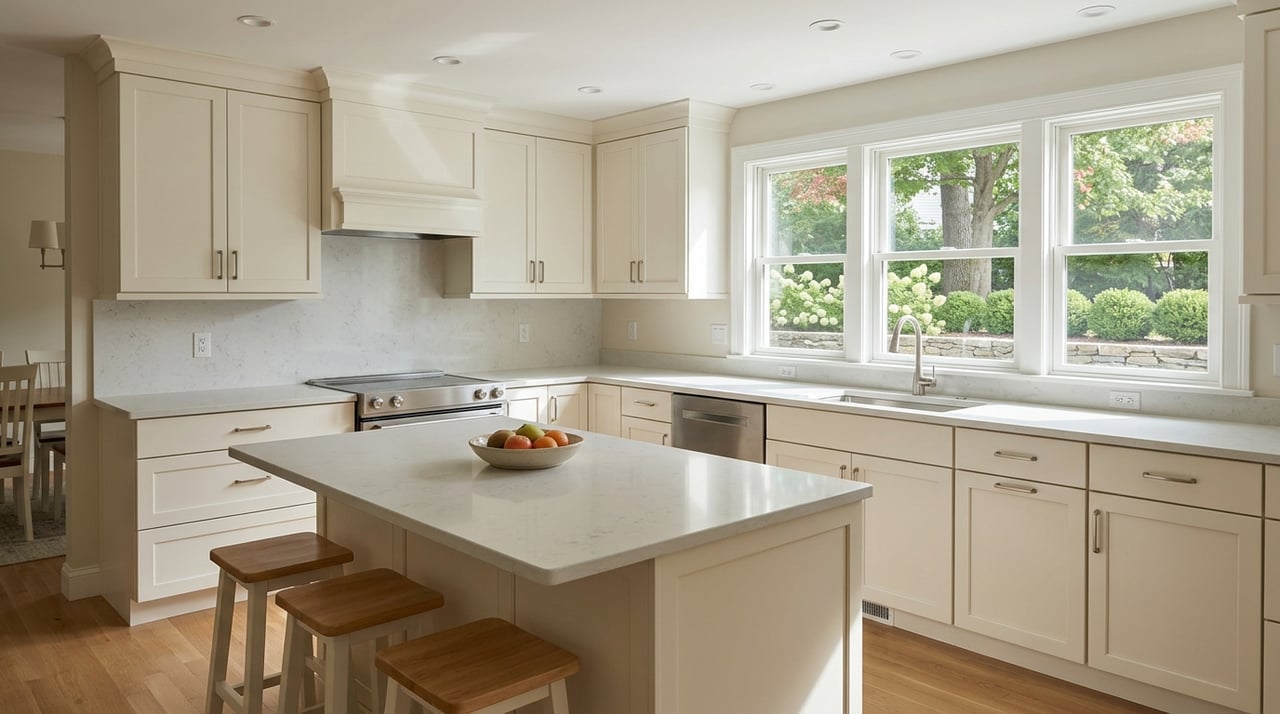
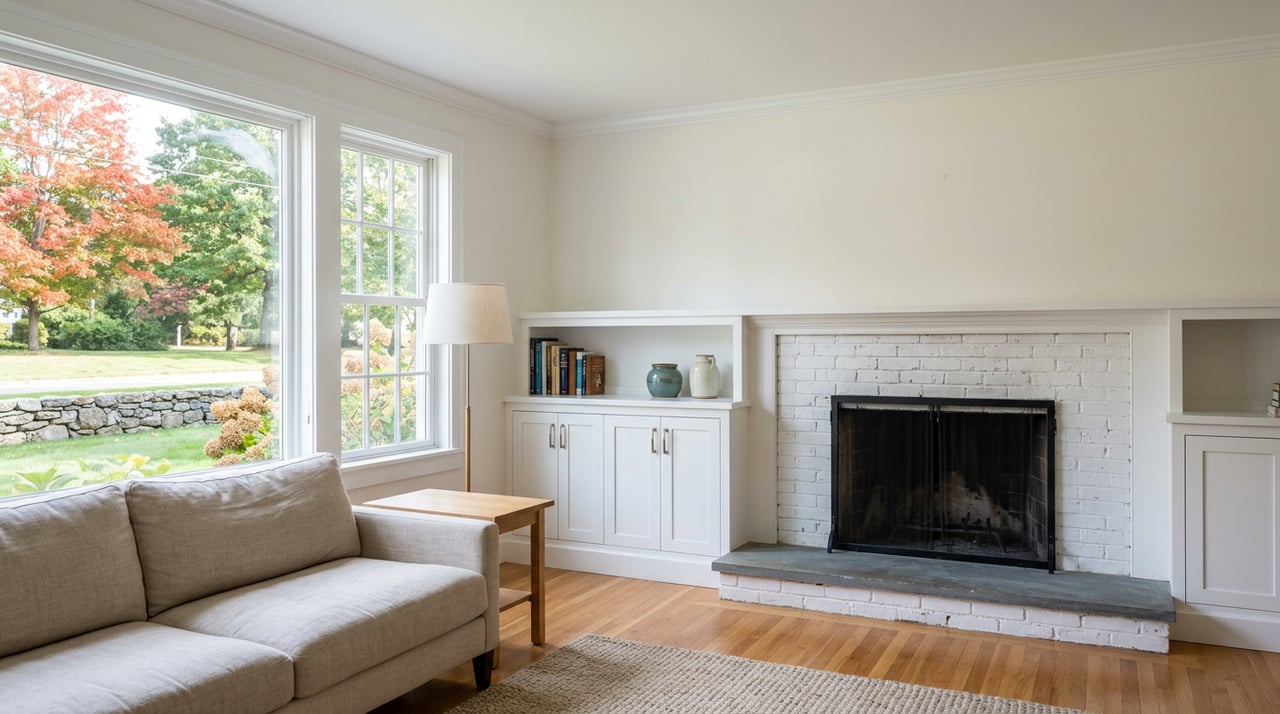
- Home age and condition. Much of Hartford County’s housing is mid‑20th century or older, so mechanical updates, insulation, and kitchen/bath improvements can materially change buyer appeal and time to contract.
- Zoning and supply. Local zoning patterns and historically limited new construction keep supply tight in many areas, which amplifies neighborhood‑level premiums when inventory is scarce (Connecticut Zoning Atlas).
Read the right local signals
Before you price or plan upgrades, review a few metrics for your immediate area:
- Months of supply. Low single‑digit months of supply means stronger seller leverage and a shorter typical marketing window. Greater Hartford has seen sustained low supply in recent reporting (local market context).
- Median days on market. Compare your block or condo community to the county snapshot. In January 2025, GHAR reported about 26 days on average, but your segment may be faster or slower (GHAR market release).
- Sale‑to‑list ratio. If nearby homes are closing at or above list, pricing precisely on day one often yields the best outcome.
- Pending‑to‑new‑listing ratio. If pendings outpace new listings in your micro‑market, buyer demand is absorbing inventory quickly.
- Recent comparable sales. Use closed comps from the last 6 to 12 months within your school boundary or walking area, and adjust for updates or condition.
Prep and timing tips for the next 1–3 years
- Suburban sellers. Focus on safety and systems first, then cosmetic refreshes that photograph well. Clear, factual information about school boundaries belongs in your listing materials.
- In‑town and condos. Confirm association reserves and any pending assessments. Stage for light and space, and feature walkable amenities clearly. High‑quality visuals help drive quick absorption when inventory is tight.
- Rural‑feeling homes. Document mechanical and site maintenance, and showcase usable outdoor features like gardens, trails, or outbuildings.
- Near new construction. Track builder incentives and price accordingly. Buyers often compare warranty coverage, HOA fees, and energy costs against similar resale options (new‑construction buyer preferences).
- Timing. In very low‑inventory windows, well‑prepared listings priced to market on day one typically sell faster and with stronger terms. Recheck local MLS or GHAR snapshots right before you list to align strategy with the latest data (GHAR market release).
Ready to plan your sale with data, not guesswork? Our team pairs full‑service marketing with a 1% listing fee so you keep more of your equity while competing at the highest level. If you want a clear pricing strategy, professional photos, 3D tours, and fast digital workflows, connect with Kevin Rockoff to get started.
FAQs
What does “months of supply” mean for Hartford County sellers?
- It estimates how long current inventory would take to sell at today’s pace. Low single‑digit months of supply usually signals stronger seller leverage and faster sales.
How do schools influence resale in Hartford County suburbs?
- Academic reviews show school quality often gets reflected in home values, and buyers focused on stability may pay for that signal. Keep school information factual and neutral.
Are walkable, in‑town homes selling faster right now?
- In very tight inventory periods, well‑presented in‑town listings often go under contract quickly because many buyers value proximity to amenities and shorter commutes.
What should I watch if I own in a newer subdivision?
- Track builder incentives, HOA fees, and the latest closed sales in your specific phase. Incentives can narrow the gap between new and resale pricing.
Do rural‑feeling properties take longer to sell?
- Often yes. The buyer pool is more specialized, so DOM tends to be longer, especially if updates are needed. Well‑maintained land and systems help shorten the timeline.