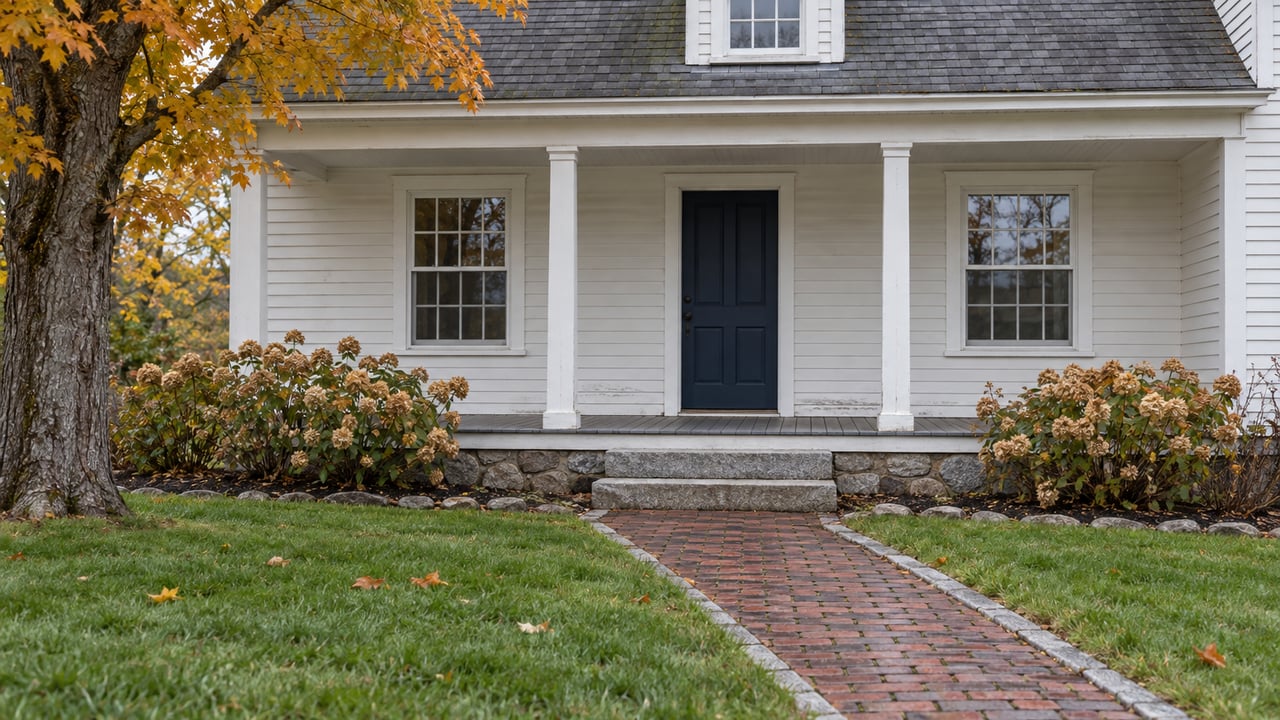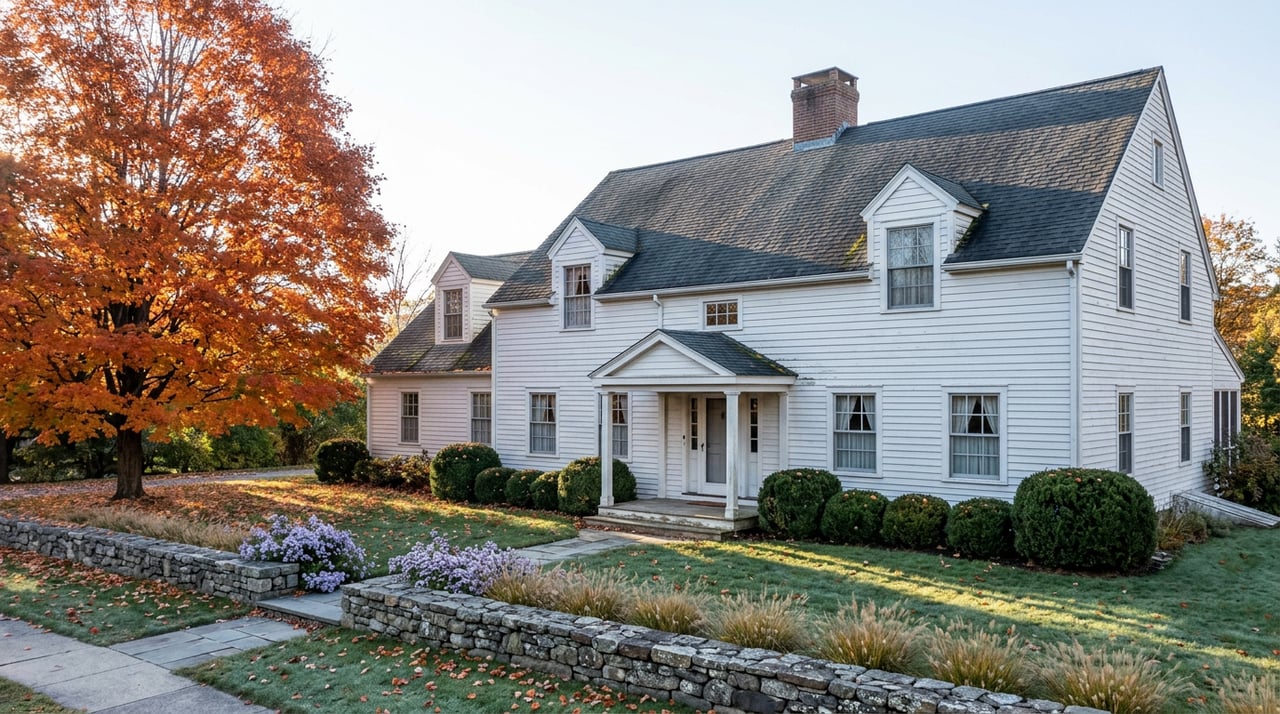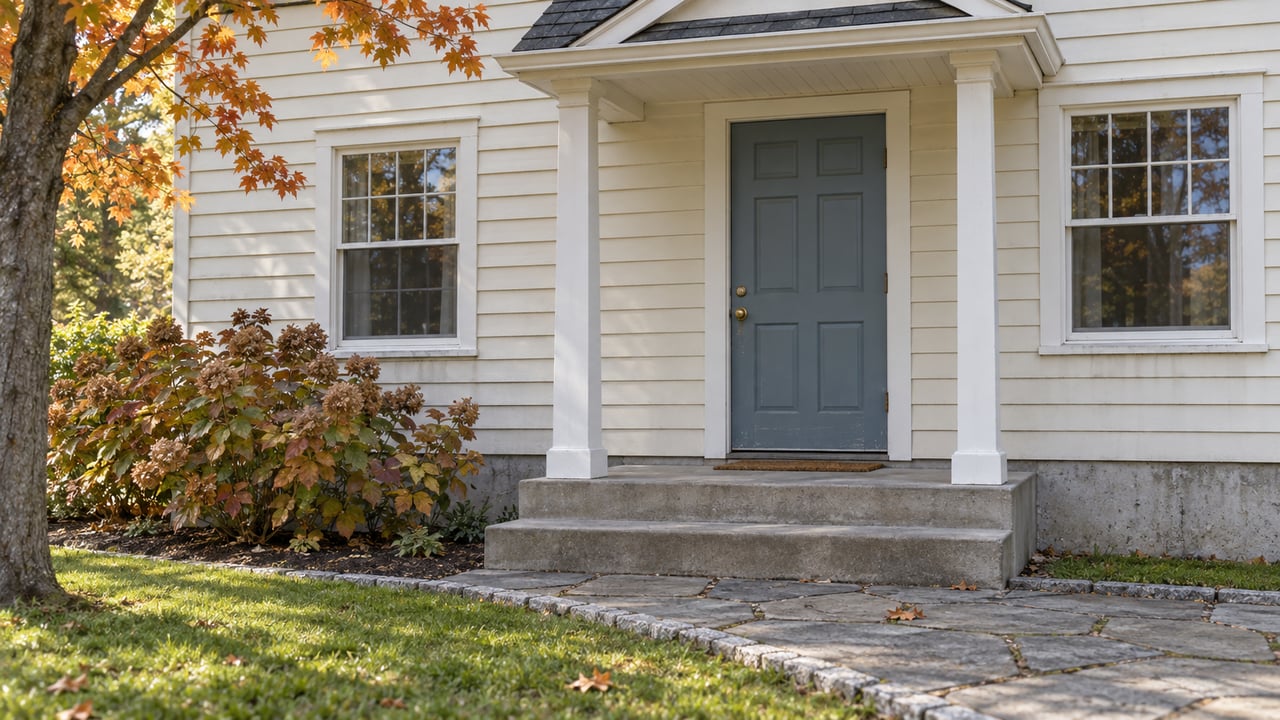
Say a buyer closes on a house in Manchester, South Windsor, East Windsor or Enfield. The buyer knows the house, an addition or the garage was built in 1983 or later. If that buyer doesn't have a pyrrhotite core test or a qualifying visual foundation report on the day of closing, they will never be able to file a claim with the Connecticut Foundation Solutions Indemnity Company. CFSIC states it plainly: you can never be a claimant "under any circumstances" if you bought after February 1, 2019 without one of those reports in hand.
You don't need to wait for the buyer to deal with this. CFSIC says either party can order the report, a seller can get one before listing, and the report never expires for this purpose. For sellers in Hartford County's most affected towns, a few hundred dollars of paperwork can determine whether the buyer's lender, inspector and attorney see the foundation as a known, insurable question or as an open-ended risk.
The rule applies to the buyer, but the seller can supply the report
CFSIC's guidelines limit the requirement to buildings where the buyer knows the house or any addition, including a garage, dates to 1983 or later:
"...such buyer will only be eligible to apply to CFSIC as a Type 1 or Type 2 claimant if the buyer or seller of the building has tested for pyrrhotite, or has conducted a visual exam for evidence of pyrrhotite, prior to the date of sale."
Note the words "buyer or seller." In 2025, a real estate agent asked CFSIC whether meeting the rule was solely the buyer's responsibility. CFSIC said no. It doesn't care who orders or pays for the report, as long as the report exists at the time of sale and the buyer has it. CFSIC added that "many home sellers" get a core report or visual report at their own expense "as an inducement to encourage someone to buy their home."
The rule also reaches more homes than many people assume. CFSIC has said it has never had a 2015 cutoff for claims, and it regularly replaces eligible additions and detached garages built in 1983 or later, even when the main house is older. So a 1979 Cape with a 2001 garage is covered by this rule.
What makes a report count
Not every foundation note in an inspection report qualifies. Based on CFSIC's current guidance, a report that satisfies the February 1, 2019 rule has these features:
- It is a core test, or a visual exam by a Connecticut-licensed professional engineer or a CFSIC-certified home inspector.
- A visual report must carry a CFSIC severity class code. CFSIC can't accept a visual report for a claim without one.
- A Severity Class 1 result doesn't require an immediate core test. If the visual exam finds no impairment, a core test isn't needed until the buyer actually wants to file a claim.
- Age doesn't matter for eligibility. CFSIC told one buyer that a seller-provided report more than two years old still qualified them, and that a newer report filed later would replace the old severity code.
- The buyer must have it at closing. Who ordered it doesn't matter.
Severity coding matters for more than eligibility. Under CFSIC's guidelines, effective September 15, 2026, a severity-coded visual report is part of any active Type 1 claim. A pyrrhotite-positive core is required only for a Severity Class 1 claim. Visual Classes 2 and 3 don't need a core for CFSIC classification.
What it costs, and which version gets reimbursed
The state reimbursement program shapes the cost. The Connecticut Department of Housing describes a $5 million program, administered by the Capitol Region Council of Governments, that pays back 100% of an eligible licensed-engineer visual inspection up to $400, and 50% of eligible core testing up to $2,000. It covers homes built from 1983 through 2015, or qualifying additions, within 20 miles of the former JJ Mottes plant in Stafford Springs.
Who does the visual exam makes a difference. CFSIC accepts a CFSIC-certified home inspector's visual report for its own claims process, but that exam isn't eligible for the state testing reimbursement. A seller who wants the reimbursement should hire a licensed engineer.
Core testing costs more. Sedexlab, which serves Connecticut and Massachusetts, posts a $1,600 price for lab analysis of two cores, not including extraction, with results 10 to 14 days after it receives the samples. That's one vendor's quote, not a market average. Since a Class 1 visual result doesn't need a core for eligibility, the engineer's visual exam is usually the less expensive way to meet the rule.
The Department of Housing page doesn't show a remaining balance, and the CRCOG testing site wasn't available during our research. Confirm that funds are available with CRCOG before you schedule anything.
The disclosure form asks about it either way
Connecticut's Residential Property Condition Report must be given to the buyer before they sign a binder or purchase contract on a property of four units or fewer. If you don't provide it, you owe a $500 credit at closing. The current version, revised July 2025, asks whether the foundation has been professionally tested or inspected and what the results were, whether it has been repaired, and whether you know of any pyrrhotite. It doesn't require a test. It tells buyers they can hire a structural engineer to check for pyrrhotite-related deterioration.
Ordering a report changes what you put on that form. Once you have results, they are results you know about, and the form asks for them. Sellers should decide to order a report knowing it will become part of their disclosure. A Class 1 finding gives you something concrete to disclose. Without a report, the buyer is left with a question.
If you already have a claim, the transfer must be done within 30 days of closing
Some sellers in these towns are already CFSIC claimants. According to CFSIC, a Type 1 claim can pass to a buyer, but a Type 2 claim can't. The process has tight requirements:
- Only the seller can start it. The original claimant asks ESIS ProClaim for a Claim Transfer Data Form, fills it out and returns it. ESIS won't accept it from a real estate agent or from the buyer, and it can't be uploaded through the CFSIC portal.
- The seller signs a Claim Transfer Agreement with the Superintendent's office, which also won't accept it from an agent or the new owner.
- Existing contracts are ended. Any signed Participation Agreement is terminated. If a contractor is under contract, both sides void the contract in writing, and the contractor returns any CFSIC deposit.
- The buyer starts over on paperwork. If the claim had a signed construction contract, CFSIC's underwriting criteria give the buyer 180 days to sign a CFSIC-approved contract, either with the original contractor or after getting at least two proposals from CRCOG-approved contractors, and then sign a new Participation Agreement backed by the recorded deed.
- Everything must be finished within 30 days of the sale. CFSIC won't transfer a claim after that window, or if construction has already started, including equipment arriving on the property.
The claim transfers with whatever status and value it has when the agreement is signed. CFSIC also says an application isn't a guarantee of funding. Only a countersigned Participation Agreement commits money. A Pending or Inactive claim shouldn't be marketed as funded repair money.
Where the money stands this fall
As of October 2026, funding looks better than it did in late summer. On September 8, 2026, the State Bond Commission released $25 million for CFSIC's Crumbling Foundations Assistance Fund. The same day, CFSIC reported receiving $10,988,981 in Healthy Homes surcharge funds that it could put to use immediately. As of August 3, CFSIC had signed 1,750 Participation Agreements, and it completed its 1,300th foundation on August 21. In late August, CFSIC said the wait for a Type 1 application to be opened and reviewed was under 120 days.
According to CFSIC, the cap on allowable costs went up on January 20, 2026, from $190,000 to $205,000 for stand-alone homes and from $76,000 to $82,000 per condo unit, for proposals dated and submitted on or after that date. For comparison, Connecticut Public reported this July that full foundation replacements run $120,000 to $200,000, and that CFSIC doesn't cover related work like driveways, porches and landscaping.
Here's how often the program has come up in Hartford County's towns, using CFSIC's most recent town data, as of September 30, 2025:
| Town | Claimants | Paid by CFSIC |
|---|---|---|
| Manchester | 256 | $20.6 million |
| South Windsor | 237 | $21.9 million |
| East Windsor | 74 | about $999,000 |
| Enfield | 62 | $3.38 million |
| Windsor | 3 | none |
Neighboring Vernon and Tolland in Tolland County had even more claimants, with 416 and 371. CFSIC notes that application counts don't prove a valid paid claim. CFSIC expects to publish its next annual report on or before the last week of October, so these figures should be updated soon. Starting October 1, CFSIC is also working with CRCOG to put town-specific links on local websites, and it is producing videos about its top ten towns aimed at people selling or buying there.
Quick answers
Does my buyer need a core test to stay eligible? No. A severity-coded visual exam meets the February 1, 2019 rule, and a Class 1 result doesn't need a core until a claim is actually filed.
I have a Type 2 reimbursement claim. Can my buyer take it over? No. Only Type 1 claims transfer. CFSIC began winding down Type 2 on September 15, 2026, and will stop accepting new Type 2 applications on March 15, 2027.
How long can a Type 1 application still be filed? CFSIC's published cutoff for Type 1 applications is 5:00 p.m. on June 30, 2030, and any later handling depends on available funds.
This post is general information, not legal advice. Check your own eligibility details directly with CFSIC.
If you're listing a 1983-or-later home in Manchester, South Windsor, East Windsor or Enfield, Rockoff Realty can plan the foundation report, the disclosure and any claim transfer into your listing timeline from the start, with full-service marketing for a 1% listing fee. Get your free listing quote.